

Parotid tumours are lumps that arise in the parotid salivary gland, the large gland that sits just in front of and below each ear. Most of these tumours are benign, or non-cancerous, while a smaller proportion are malignant, or cancerous. Because it is not possible to be completely certain about the nature of a lump based on feel alone, any persistent swelling in this region should be properly assessed.
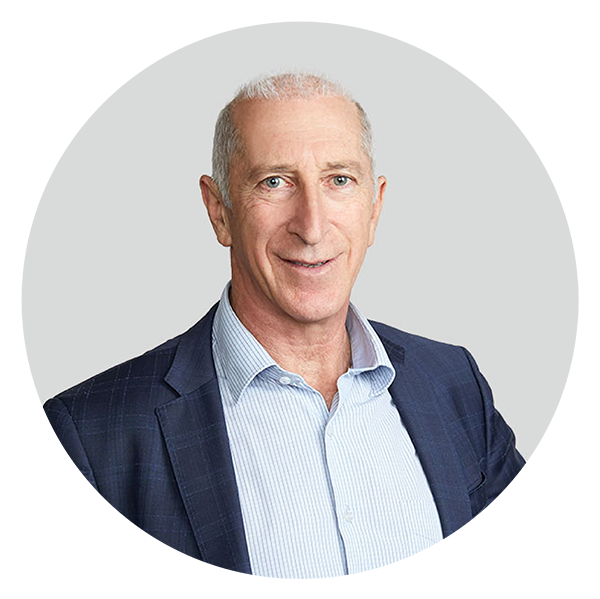
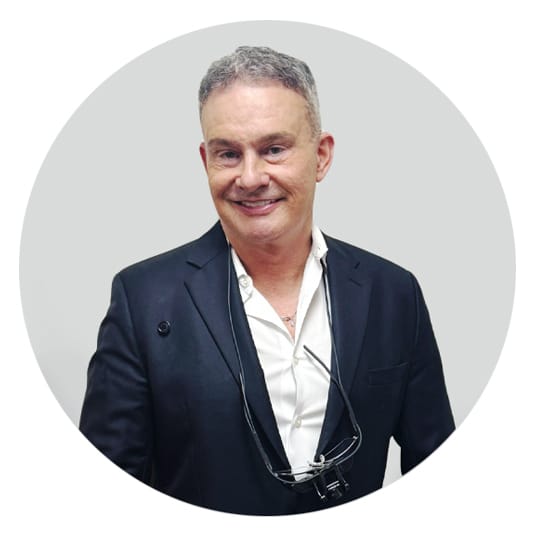
At Melbourne ENT in St Kilda East, Victoria, parotid tumours and other salivary gland conditions are assessed and managed by Dr Stephen Kleid, an ENT and Head & Neck Surgeon, MBBS FRACS, with extensive experience in salivary gland and head and neck surgery. He has probably operated on more parotid tumours than anyone else in Australia.
Parotid tumour surgery, or parotidectomy, is primarily a medical and functional procedure. Its key aims are to remove abnormal or cancerous tissue, while protecting the facial nerve (the nerve of facial expression, which runs through the parotid gland), obtain an accurate diagnosis under the microscope, and reduce the risk of future problems such as growth, discomfort or malignant change (even the benign parotid tumours can grow back – but Dr Kleid has never had such a problem). Cosmetic aspects, including scar placement and cheek contour, and ear and cheek numbness, are taken into account, but they remain secondary to your health and safety.
This information is general and does not replace a personal consultation with Dr Kleid, where your own circumstances, risks and options can be discussed in detail.
What Is Parotid Tumour Surgery (Parotidectomy)?

The parotid glands are the largest salivary glands. There is one on each side of the face, located just in front of the ear and extending down toward the angle of the jaw, and forwards into your cheek. They produce saliva, that helps with chewing, swallowing and keeping the mouth healthy.
A parotid tumour is an abnormal growth within this gland. Tumours may be benign or malignant. Benign tumours do not spread to distant parts of the body but can grow locally. The most common benign tumour is pleomorphic adenoma, which often presents as a slow-growing lump. The other common benign tumour is a Warthin’s tumour..
Malignant tumours (cancers) may arise within the gland itself or represent spread from nearby skin cancers (SCCs or Melanomas) around the ear, scalp or face. These cancers can invade surrounding tissues and may spread to lymph nodes or elsewhere in the body, and are dangerous.
Benign and Malignant parotid tumours can feel quite similar. Imaging (scans, ultrasounds) and needle biopsy are very helpful but are not always completely conclusive. For that reason, surgery is often recommended to remove the lump, confirm the diagnosis and treat or prevent problems.
Parotidectomy is the operation to remove part or all of the parotid gland that contains the tumour. It is a specialised and delicate Head and Neck operation, because the facial nerve, which controls facial expression, eye closure and some lip movements, passes directly through the gland. A major focus of the operation is to treat the tumour safely, while preserving this nerve, and the function of its main 5 branches (Dr Kleid’s patients have never had a permanent severe facial paralysis). Even benign tumours of the parotid can recur, so the technique of removal is critical (and none of Dr Kleid’s many benign patients have had a recurrence).
Who Needs It (Candidates For Parotid Tumour Surgery)
People are usually referred to Dr Kleid when they or their doctor notice a lump in the region of the parotid gland. Often this presents as a firm, usually painless swelling in front of or just below the ear, or along the side of the jaw. The lump may have been present for many months or years, growing slowly.
Other symptoms can include tightness, a feeling of fullness, or awareness of asymmetry in the mirror or in photographs. Less commonly, there may be discomfort or pain in the area. New weakness of facial muscles on one side, such as difficulty closing the eye fully, raising the eyebrow or smiling symmetrically, is more concerning and should be assessed promptly.
Scans such as ultrasound and MRI will show a mass within or lying on or under the parotid gland (CT or CAT scans or not quite as good). Fine needle aspiration, or FNA, can usually give an indication of whether the lump is likely to be benign or malignant. Results that suggest a salivary gland tumour, or possible spread from a skin cancer, will lead to discussion of parotidectomy.
When deciding whether surgery is appropriate, Dr Kleid also considers age, general health, other medical conditions, the size and position of the tumour, whether there are enlarged lymph nodes in the neck, and whether there has been previous surgery or radiotherapy in the area.
In some patients with significant health problems, careful observation may be considered as an alternative to immediate surgery. This is always an individual decision made after detailed discussion of the potential risks and benefits of both approaches.
Urgent review is recommended if there is rapidly progressive facial weakness, sudden enlargement of a long-standing lump, or increasing pain, redness or skin changes over the swelling.
Benefits Of Parotid Tumour Surgery
The potential benefits of parotidectomy vary between individuals, depending on the type of tumour, its size and behaviour, and the person’s general health.
One major benefit is a clear and accurate diagnosis. Scans and imaging are just “shadows of the truth”, and Fine Needle Aspirate biopsies have a 1-5% error rate (because only a few cells can be sampled). When the tumour is removed, the entire specimen is examined by a pathologist. This allows the exact tumour type to be identified, confirms whether it is benign or malignant, and shows whether the tumour has been completely removed at the edges, known as the margins. Having this information provides certainty and guides any further treatment or follow-up.
If the tumour is malignant, parotidectomy is often an important part of treatment. Removing the tumour will reduce the risk of local progression and help relieve symptoms. The pathology report, including tumour grade, stage and margin status, helps Dr Kleid and other specialists decide whether further treatments such as radiotherapy or additional surgery, for example neck dissection, are recommended.
Even benign tumours can cause problems over time. Pleomorphic adenomas, for example, tend to continue growing slowly over many years. As they enlarge, they may distort the gland and lie very close to branches of the facial nerve, which can make later surgery more complicated and dangerous. There is also a small but real risk that a long-standing pleomorphic adenoma may undergo malignant change. Removing benign tumours earlier in their course will reduce long No surgical procedure can guarantee a specific outcome. The decision to proceed with parotidectomy is based on weighing up likely benefits against potential risks in each individual case.
Consultation For Parotid Tumour Surgery
A consultation with Dr Stephen Kleid at Melbourne ENT is an important first step if you have a parotid lump or have been advised that you may need parotidectomy.
It is helpful to bring a current referral from your GP or another specialist, copies of relevant imaging such as ultrasound, CT, MRI or PET scans, and any pathology results from previous biopsies. A list of your current medications, including blood thinners and supplements, and a brief summary of your medical history will also assist in planning.
During the consultation, Dr Kleid will take a detailed history, asking when you first noticed the lump, how it has changed over time, and whether you have experienced symptoms such as pain, facial weakness, numbness, ear discomfort or difficulty chewing or swallowing. Past skin cancers on the scalp, ears or face, smoking history and previous radiotherapy are also relevant.
A thorough examination follows. This includes careful assessment of the lump, checking its size, firmness, mobility and exact position. Facial nerve function is tested by observing eye closure, eyebrow elevation, smiling and lip movements. The neck is examined for enlarged lymph nodes, and the mouth and throat may also be inspected.
Any existing investigations are reviewed. In some cases additional imaging or repeat FNA may be recommended to clarify the nature of the tumour or assist with surgical planning.
Once all the information is considered, Dr Kleid will explain the likely diagnosis and outline whether parotidectomy is advised, or whether observation may be reasonable. If surgery is recommended, he will describe the type of operation proposed, discuss potential benefits and limitations, and talk through the main risks, including those relating to facial nerve function. Expected recovery, time off work, driving, exercise and follow-up are also covered. It usually requires a few days in hospital with a suction drain tube, very little pain, 4 days of showering from the neck down to keep the wound dry, a week off work and 2 weeks off gym.
You are encouraged to ask questions and it’s a good idea to bring a family member or support person to the consultation. For more complex or cancer-related cases, Dr Kleid may coordinate care with a multidisciplinary team, and this process will be explained to you.
How Is It Performed (Surgery For Parotid Tumour Surgery)?
Parotidectomy is carried out in hospital under general anaesthesia, so you are fully asleep during the procedure.
Before surgery, you may need to adjust or temporarily stop certain medications, particularly blood thinners, in consultation with your GP or cardiologist. You will be given instructions about fasting from food and fluids and may have pre-operative tests such as blood tests, an ECG or chest imaging, depending on your health and hospital protocol.
The exact operation depends on where the tumour sits and how extensive it is. A partial superficial parotidectomy removes the tumour together with a small margin of surrounding gland tissue and is often used for small, well-positioned benign tumours. A total or subtotal parotidectomy removes both the superficial and deep parts of the gland and is more often required for larger lumps that involve deeper areas.
In some circumstances, additional procedures are performed at the same time. These may include a neck dissection if there is concern about spread to lymph nodes, or nerve grafting or reconstruction if a segment of the facial nerve must be removed for cancer clearance. Local or regional reconstructive techniques may be used to help fill a large defect and support soft tissues.
The incision is an S-shaped cervico-facial incision – it begins just in front of the ear, curves around and under the earlobe and extends into a natural crease in the upper neck. This approach provides good access while aiming to position the scar in natural skin lines.
Once the area is exposed, Dr Kleid identifies the main trunk of the facial nerve near its exit from the skull. The branches are followed carefully and gently separated from the surrounding gland tissue. The tumour and involved part of the gland are then dissected away while preserving the nerve branches whenever it is safe to do so. If a malignant tumour is firmly attached to or growing into the nerve, it may be necessary to remove a segment of the nerve to achieve adequate cancer control. In that situation, options for reconstruction and rehabilitation are discussed as part of the overall treatment plan.
At the end of the procedure, a soft plastic drain tube is placed under the skin to collect blood and tissue fluid, which reduces the risk of fluid collections or haematoma. You are monitored in the recovery area, then transferred back to the ward. The drain is removed once the output has reduced, which is often 3 days. Most patients stay 3-4 nights in hospital.
Before discharge, you receive instructions regarding pain relief, wound care, activity restrictions and signs that should prompt urgent review.
Recovery After Parotid Tumour Surgery
Recovery after parotidectomy varies from person to person, but certain features are common.
In the first day or two, it is normal to experience discomfort around the incision and jaw. Pain is usually managed with oral medication. Mild swelling around the ear, cheek and upper neck are expected. Numbness of the ear and nearby skin is almost universal at first, and many people notice a feeling of tightness when turning the head or chewing.
You will have a follow-up appointment arranged, often a week post-operatively. Sutures will be buried and will dissolve, they almost never need to be removed. Swelling will improve steadily over the first couple of weeks.
Long-term, numbness around the ear and cheek often improves, but some altered sensation can be long-lasting. Some people develop Frey’s syndrome (Gustatory sweating), where the cheek flushes or sweats while eating. This can occur weeks or months after surgery. If it is troublesome, treatments are available and can be discussed.
If there has been any facial weakness, facial physiotherapy or rehabilitation exercises do not help.
Follow up appointments with Dr Kleid are important to review your pathology results, monitor wound healing and nerve function, and plan any further treatment, such as radiotherapy, if a cancer has been found. For malignant tumours, regular surveillance is usually arranged. If you experience increasing pain, swelling, redness, wound discharge or new or worsening facial weakness at any stage, you should contact the clinic or seek urgent medical care.
Risks And Complications Of Parotid Tumour Surgery
All surgery involves some degree of risk. Before you decide on parotidectomy, Dr Kleid will discuss the main risks that apply to you and provide written information to support your decision.

One of the most important risks is facial nerve weakness. The facial nerve controls movement of the muscles that allow you to smile, close your eyes, raise your eyebrows and move your lips. Because the nerve runs through the parotid gland, it must be identified and carefully preserved during surgery. Even when the nerve is left intact, temporary weakness can occur because the nerve has been handled or stretched. This weakness usually improves over weeks or months, but in some situations, especially with large tumours, recurrent disease or cancers that involve the nerve, permanent weakness may occur.
Numbness and altered sensation are very common after parotid surgery. The skin of the ear, earlobe and part of the cheek often feels numb initially. As small nerves recover, tingling or unusual sensations may occur. Sensation often improves gradually but may not return completely to normal.
Frey’s syndrome is another possible complication. This is sweating, flushing or a feeling of warmth over the cheek when eating or thinking about food. It can be mild and barely noticeable or more obvious. Various treatments, including topical agents or injections, can help if it causes distress.
Other potential issues include bleeding or haematoma formation, infection, delayed wound healing, salivary leak or fluid collection and thickened or raised scars, particularly in those prone to such scarring.
Cosmetic and contour changes can occur, especially when a significant amount of gland tissue is removed. This may lead to hollowing or flattening at the angle of the jaw and some asymmetry between the two sides of the face. The scar is usually placed in natural skin folds, but individual scar appearance varies.
For malignant tumours, there is a risk of cancer recurrence in the area, spread to lymph nodes in the neck or spread to distant sites, even when appropriate surgery and additional treatments are carried out. If cancer is confirmed, Dr Kleid will discuss recommended further treatment and follow-up, and may involve other specialists such as radiation oncologists and medical oncologists.
Your individual risk profile depends on your tumour type and stage, general health and any previous treatments, and will be discussed in detail before you decide on surgery.
Cost Of Parotid Tumour Surgery
The cost of parotidectomy depends on several factors. These include the type and complexity of the operation, such as whether a partial, superficial or total parotidectomy is required and whether neck dissection or reconstruction is needed, the hospital where the procedure is performed, and whether you are treated as a private or public patient. Fees charged by the surgeon, anaesthetist and hospital, as well as any additional imaging, pathology and post operative care, also contribute to the overall cost.
Because of these variables, it is not possible to provide an exact fee on this page. After your consultation, once a treatment plan has been agreed, the practice can provide a personalised written estimate. This normally outlines the surgeon’s fee, details for contacting the anaesthetist for a quote, information about expected hospital costs and an indication of likely out-of-pocket expenses after Medicare and private health fund rebates, if applicable.
If you would like more information about fees, you can refer to the costs information on the Melbourne ENT website or contact the rooms directly.
Medicare Coverage And Insurance
Parotidectomy for parotid tumours is considered a medically necessary procedure rather than a cosmetic one. The operation is associated with a Medicare item number, which means that Medicare will cover part of the surgeon’s and anaesthetist’s fees.
If you hold Private hospital insurance, your fund will contribute to hospital accommodation and operating theatre costs, and to some additional items, depending on your level of cover. Despite this, there are often gaps between the total cost and the combined Medicare and health fund rebates. The amount of any gap depends on the insurer, the policy and any applicable excess or co-payment.
To understand your individual situation, it is helpful to ask the practice for the item numbers that apply to your planned surgery, then contact your health fund with those numbers. They can advise you about what is covered and what your likely out-of-pocket expenses will be.
If you are treated in the public system, surgery is generally covered by Medicare, but waiting times may be longer and you are unlikely to be able to choose your surgeon or the timing of the operation.

FAQs About Parotid Tumour Surgery
Can I Choose To Watch A Parotid Tumour Instead Of Having Surgery Straight Away?
In rare situations, careful observation can be considered, particularly for small benign-looking tumours in people with other major health issues. However, most parotid tumours slowly enlarge over time and some have a small risk of becoming malignant if left for many years. During your consultation, Dr Stephen Kleid will explain how your scan and biopsy results look, how fast the lump seems to be changing, and what the risks are if you delay or avoid surgery. The decision is shared, but it is important to understand that choosing not to operate usually means accepting ongoing monitoring and some degree of uncertainty.
What Happens To The Space Where The Gland Or Tumour Has Been Removed?
After parotidectomy, there is a pocket where the gland tissue and tumour used to sit. Initially, this space fills with a mixture of fluid and healing tissue, which is one reason a drain is often used for the first day or two. Over time, the body gradually lays down scar tissue and the overlying skin and soft tissues settle into a new position. Some patients notice a slight hollow or flattening at the angle of the jaw. In many cases this softens and becomes less obvious with time. If you have a very large tumour or a naturally thin face, Dr Kleid will discuss these contour changes with you in advance.
Will My Smile And Facial Expression Feel Normal Again After Surgery?
Many patients have no visible facial weakness after surgery, or only very mild temporary changes. Others may notice that their smile is not quite as strong on the operated side for a period of time. When the facial nerve is preserved but has been handled or stretched, it often recovers gradually over weeks or months. The exact outcome depends on how close the tumour was to the nerve and whether the nerve was already affected before surgery. If there are changes, Dr Kleid may suggest specific exercises or referral for facial physiotherapy to help you get the best possible function.
Will I Always Feel Numb Around My Ear And Jawline?
Numbness of the ear and nearby skin is almost universal in the early period after parotid surgery. This happens because small sensory nerves are divided to reach the gland safely. Many people notice that sensation slowly improves over months, although it can feel different from the other side. Some degree of permanent numbness is common, but most patients find that they adapt to it and it becomes less noticeable in daily life. If strange tingling or sensitivity bothers you, mention it to Dr Kleid, as simple measures can sometimes help.
Can Parotid Surgery Affect How I Chew Or Produce Saliva Long Term?
Most people eat and drink normally after the early healing period. The remaining salivary glands in the mouth and neck continue to produce saliva, and the body usually compensates well. You may notice some temporary stiffness when opening the mouth or chewing in the first few weeks, mainly due to tightness in the tissues and mild discomfort. Simple jaw stretching exercises, once the wound has healed, often help. Long term, troublesome dry mouth from parotidectomy alone is uncommon, but if you already have other conditions or treatments that affect saliva, such as radiotherapy or certain medications, this will be taken into account when planning your care.
Why Do Some People Develop Sweating Of The Cheek When They Eat After Surgery?
This phenomenon is called Frey’s syndrome. During healing, some nerve fibres that used to supply the parotid gland can reconnect to the sweat glands in the overlying skin. As a result, the body sends a message to produce saliva with food, and the cheek responds with sweating or flushing instead. In many people it is mild and only noticed in certain situations. If it becomes obvious or embarrassing, let Dr Kleid know. There are treatments that can reduce the symptoms, and these can be tailored to how much it affects your daily life.
How Soon After Surgery Will I Know Exactly What Type Of Tumour I Had?
Fine needle aspiration before surgery gives a useful indication but does not always tell the full story. The final and most accurate result comes from the pathology report on the tissue removed at surgery. This report usually takes several days, sometimes a little longer if special tests are needed. Dr Kleid will normally review the result with you at an early postoperative visit. At that appointment, he will explain what type of tumour was found, whether the margins are clear, and whether any further treatment or follow-up plans are recommended.
Medical References:
- Pleomorphic Adenoma. National Center for Biotechnology Information (NCBI). Updated December 2025.
https://www.ncbi.nlm.nih.gov/books/NBK430829/ - Clinical parameters predictors of malignant transformation of recurrent parotid pleomorphic adenoma.
https://www.nature.com/articles/s41598-023-29714-6 - Parotidectomy. NCBI Bookshelf. Updated March 2024.
https://www.ncbi.nlm.nih.gov/books/NBK557651/ - Evaluation of the effectiveness of superficial parotidectomy and partial superficial parotidectomy for benign parotid tumours: a meta-analysis.
https://pmc.ncbi.nlm.nih.gov/articles/PMC10740346/ - MRI and CT imaging characteristics in parotid tumors with false-negative fine-needle aspirations.
https://pmc.ncbi.nlm.nih.gov/articles/PMC11515105/ - Patient safety and quality improvements in parotid surgery.
https://pmc.ncbi.nlm.nih.gov/articles/PMC9242422/
Enquire now
If you have a parotid lump or have been advised that you may need parotid tumour surgery in Melbourne, you can arrange a consultation with Dr Stephen Kleid at Melbourne ENT.
Dr Stephen Kleid – ENT And Head & Neck Surgeon
Phone: (03) 9038 1630
When booking, please have your GP or specialist referral available. Bringing your scans, imaging reports, pathology results and a list of medications will help make your appointment as informative and efficient as possible.
If you experience sudden facial weakness, rapidly increasing swelling, severe pain, or difficulty breathing or swallowing, please seek urgent medical care or attend your nearest emergency department.
Further Reading
- Read about Melbourne ENT’s Head And Neck Cancer Surgery
- Read about Melbourne ENT’s Thyroidectomy Melbourne – Also Known As Thyroid Cancer Surgery
- Read about Melbourne ENT’s Parotidectomy Melbourne – Also Known As Parotid Gland Surgery
- Read about Melbourne ENT’s Goitre Surgery Melbourne – Also Known As Thyroid Surgery