
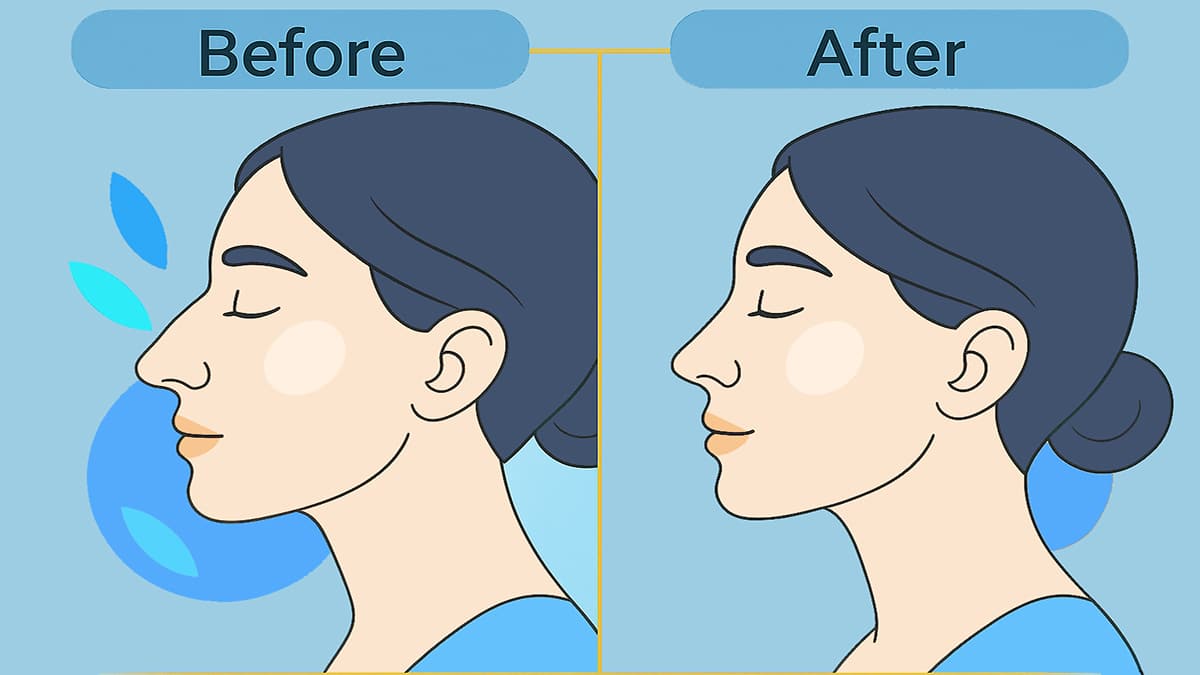
Rhinoplasty is a surgical procedure that may alter the shape, structure or function of the nose. Some people consider rhinoplasty because they have concerns about the appearance of their nose, while others seek assessment because of nasal obstruction, previous trauma, septal deviation or breathing difficulties. In some cases, both appearance and breathing function need to be considered together.
At Melbourne ENT, rhinoplasty consultations are provided by Specialist ENT Surgeons Dr Stephen Kleid and Dr Simon Braham. As ENT surgeons, they assess the nose as both a visible facial feature and a functional airway. This includes consideration of the nasal bridge, nasal tip, septum, turbinates, nasal valves, breathing symptoms and overall nasal structure.
Rhinoplasty is not suitable for every patient. A consultation is required to assess your concerns, examine your nose, discuss your medical history, and explain the possible benefits, risks, limitations, alternatives and recovery involved.
At A Glance
Rhinoplasty is sometimes searched for as a “nose job”, but it is important to understand that it is an invasive surgical procedure. It may involve reshaping bone, cartilage or soft tissue, and in some cases it may also involve correction of internal structures that affect breathing.
The information below is general only. Your own procedure, recovery, risks and costs may differ depending on your anatomy, health, surgical plan and whether the procedure is cosmetic, functional or combined.
At A Glance:
- Procedure: Rhinoplasty, nasal reshaping surgery, functional rhinoplasty or septorhinoplasty
- Purpose: May address nasal shape, nasal airflow, nasal support, or a combination of concerns
- Surgeons: Dr Stephen Kleid and Dr Simon Braham, Specialist ENT Surgeons
- Clinic: Melbourne ENT, St Kilda East
- Anaesthetic: Usually performed under general anaesthetic
Important considerations:
- Rhinoplasty is surgery and involves recovery time
- Results vary and cannot be guaranteed
- Medicare or private health insurance may only apply if specific clinical criteria are met
- Before-and-after images, if shown, represent individual outcomes only
- Your surgeon will discuss risks, limitations and alternatives before surgery is considered
DOWNLOAD GUIDE
Considering Rhinoplasty surgery? Information is just one click away.
Am I A Suitable Candidate For Rhinoplasty?
You may be considered for rhinoplasty if you have concerns about the shape, structure or function of your nose and are medically suitable for surgery. Some patients seek assessment because of a prominent nasal bridge, nasal asymmetry, tip shape, nostril shape or changes after injury. Others seek assessment because they have difficulty breathing through the nose.
Being a candidate for rhinoplasty does not depend only on wanting a change in appearance. Your surgeon will also consider your age, general health, nasal anatomy, skin thickness, cartilage support, previous nasal surgery, breathing symptoms, smoking or vaping history, and expectations. The aim of consultation is to determine whether surgery is appropriate, not to assume that surgery is the best option.
You may be suitable for assessment if you:
- Have specific concerns about nasal shape, nasal breathing, or both
- Are in suitable general health for surgery and anaesthesia
- Have realistic expectations about what surgery may achieve
- Understand that healing and results vary between patients
- Are prepared for recovery time and follow-up appointments
Rhinoplasty may not be appropriate if you:
- Are seeking a guaranteed or “perfect” result
- Have expectations that are not realistic for your anatomy
- Have medical risks that make surgery unsuitable
- Are unable to follow pre-operative or post-operative instructions
- May be better managed with non-surgical treatment or a different procedure
What Can Rhinoplasty Change?
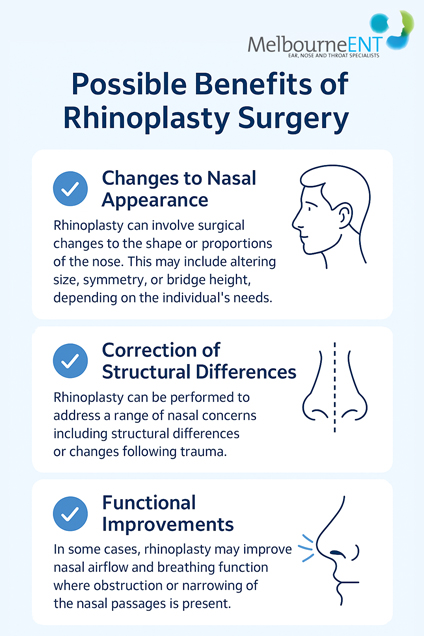
Rhinoplasty may be planned to change selected features of the nose, such as the nasal bridge, nasal tip, nasal width, nostril shape or overall profile. It may also be used to address structural changes caused by previous injury or previous surgery. The surgical plan depends on the individual patient rather than a standard template.
The achievable change depends on anatomy. Skin thickness, cartilage strength, bone shape, facial proportions, previous trauma, previous surgery and healing response all affect what may be possible. Your surgeon will discuss what is realistic for your nose and explain the limitations of surgery.
Rhinoplasty may be considered for:
- A prominent nasal bridge or hump
- A crooked or asymmetrical nasal appearance
- A wide, drooping, bulbous or poorly supported nasal tip
- Nostril shape or width concerns
- Changes related to previous injury or surgery
What Happens During a Rhinoplasty Consultation?
Your rhinoplasty consultation is an opportunity to discuss your concerns, medical history, breathing symptoms and expectations. Your surgeon will examine the outside and inside of your nose and may assess the septum, turbinates, nasal valves, nasal airflow and any signs of previous trauma or surgery.
The consultation should also include a discussion of what surgery may and may not achieve. If photographs or digital imaging are used, they are tools for communication and planning only. They should not be interpreted as a promise or guarantee of a surgical result.
Why Choose Melbourne ENT For Rhinoplasty In Melbourne?
Melbourne ENT provides specialist assessment for patients considering rhinoplasty, septoplasty, septorhinoplasty and related nasal procedures. Dr Stephen Kleid and Dr Simon Braham are Specialist ENT Surgeons who assess nasal concerns with attention to both structure and function. Their consultations focus on careful assessment, clear explanation of options and patient-centred decision-making.
The purpose of consultation is not to recommend surgery for every patient. The purpose is to assess your concerns, explain your options and help you understand the possible benefits, risks, limitations, alternatives, costs and recovery involved. In some cases, a different procedure or non-surgical treatment may be more appropriate.
Melbourne ENT provides:
- Specialist ENT assessment of nasal appearance and breathing
- Assessment of functional nasal obstruction
- Discussion of surgical and non-surgical options
- Individualised planning based on anatomy and symptoms
- Post-operative follow-up where surgery is performed
What Is The Difference Between Cosmetic And Functional Rhinoplasty?
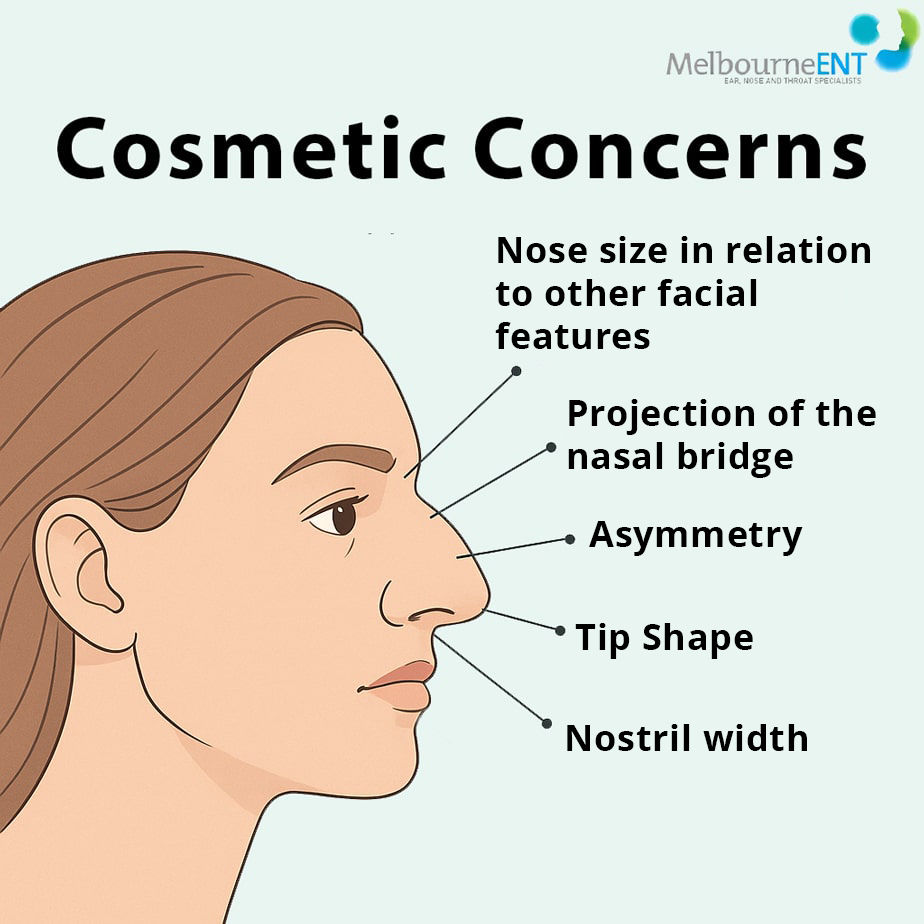
Cosmetic rhinoplasty focuses on changing the appearance of the nose. This may involve the nasal bridge, nasal tip, nostril shape, nasal width, profile or asymmetry. Functional rhinoplasty focuses on improving nasal airflow by addressing structural issues that affect breathing.
These two areas can overlap. A change to the nasal bridge, tip or septum may affect both appearance and airflow. For this reason, surgical planning needs to consider both the visible shape of the nose and the internal nasal airway, especially when breathing symptoms are present.
Cosmetic rhinoplasty may consider:
- Nasal bridge shape
- Nasal hump
- Tip shape or support
- Nostril shape or width
- Overall nasal proportion
Functional rhinoplasty may consider:
- Septal deviation
- Nasal valve collapse
- Post-traumatic structural change
- Internal nasal narrowing
- Support of the nasal airway
What Happens During Rhinoplasty Surgery?
Rhinoplasty is usually performed under general anaesthetic. The exact steps depend on the surgical plan. The surgeon may reshape bone or cartilage, adjust the nasal tip, correct a septal deviation, support the nasal valves, refine the nostril area or address structural issues from previous trauma or surgery.
At the end of the procedure, dressings, internal supports or an external splint may be used depending on the case. Some patients may be managed as day surgery, while others may require an overnight stay. Your surgeon will discuss the expected surgical setting and recovery plan before surgery.
The procedure may involve:
- Incisions inside the nostrils or across the columella in selected cases
- Reshaping of nasal bone or cartilage
- Septal correction if breathing function is being addressed
- Cartilage grafting if additional support is needed
- Dressings or splinting after surgery
Your surgeon will explain:
- The proposed surgical approach
- The expected anaesthetic and hospital arrangements
- Whether the surgery is cosmetic, functional or combined
- What recovery instructions apply
- What symptoms or complications to watch for after surgery
What Is Rhinoplasty Recovery Like?

Recovery after rhinoplasty varies between patients. Swelling, bruising, congestion and discomfort are common in the early recovery period. Your surgeon will provide instructions about rest, sleeping position, wound care, medications, activity restrictions and follow-up appointments.
The final result is not visible immediately. Swelling may continue to settle over months, and nasal tip swelling can take longer than swelling in other parts of the nose. Healing may also be affected by skin thickness, surgical complexity, previous surgery, smoking or vaping, infection, trauma and individual healing patterns.
In the early recovery period, patients may experience:
- Swelling around the nose and face
- Bruising around the eyes or cheeks
- Nasal congestion or blocked sensation
- Mild bleeding or discharge
- Tiredness after surgery and anaesthesia
Recovery instructions may include:
- Keeping the head elevated as advised
- Avoiding strenuous activity until cleared
- Avoiding pressure or trauma to the nose
- Attending scheduled follow-up appointments
- Contacting the clinic if concerning symptoms occur
When Will I See The Final Result?
Rhinoplasty results develop gradually. Early swelling may improve over weeks, but more subtle swelling can persist for months. The nasal tip often takes longer to refine than the bridge. Patients with thicker skin, revision surgery or more complex structural work may have a longer healing period.
It is important to have realistic expectations about the healing process. The nose may look different from week to week as swelling changes. Your surgeon will monitor healing during follow-up appointments and explain what changes are expected over time.
The result may be influenced by:
- Skin thickness
- Cartilage strength
- Surgical complexity
- Previous surgery or trauma
- Individual healing response
During healing, patients should remember:
- Early swelling is expected
- The final appearance is not immediate
- Small asymmetries may become more or less noticeable as swelling settles
- Revision decisions, if relevant, are usually not made during early healing
- Follow-up care is important for monitoring progress
What Are The Risks Of Rhinoplasty?

All surgery has risks, and rhinoplasty is no exception. Risks can relate to the surgery itself, anaesthesia, wound healing, appearance, breathing function or the possible need for further surgery. Your surgeon will discuss general risks as well as risks that may be more relevant to your anatomy, health and surgical plan.
Rhinoplasty has limitations. Surgery may improve selected concerns, but it cannot guarantee a particular appearance, facial balance or breathing outcome. Some patients may have persistent symptoms, asymmetry, scarring, dissatisfaction with appearance or need for revision surgery.
Possible risks include:
- Bleeding, infection or poor wound healing
- Anaesthetic complications
- Swelling, bruising, numbness or altered sensation
- Visible or internal scarring
- Persistent or new nasal obstruction
Other possible complications include:
- Septal perforation
- Changes in smell
- Asymmetry or contour irregularity
- Unsatisfactory cosmetic outcome
- Need for revision surgery
How Much Does Rhinoplasty Cost In Melbourne?

The cost of rhinoplasty in Melbourne varies depending on the complexity of the procedure, whether the surgery is cosmetic or functional, whether revision surgery is involved, and whether additional procedures are required. A personalised estimate can only be provided after consultation and assessment.
Costs may include the surgeon’s fee, anaesthetist’s fee, hospital or day surgery fees, follow-up care and any related investigations or imaging. If functional surgery is being considered, your surgeon can discuss whether Medicare item numbers may be relevant. This depends on clinical criteria and cannot be confirmed before assessment.
Rhinoplasty costs may be affected by:
- Cosmetic versus functional goals
- Primary versus revision surgery
- Whether septoplasty or turbinoplasty is also required
- Hospital and anaesthetic fees
- Surgical complexity and expected operating time
Rhinoplasty Before And After Photos
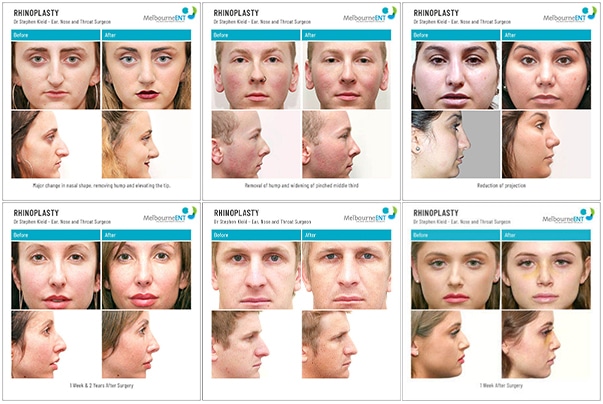
Rhinoplasty Before and After Gallery
See more of Dr Stephen Kleid’s previous nose surgery patients before and after surgery
Photo Disclaimer:
The before and after photos displayed on our website/s or in our office serve solely for informational purposes. They are intended to give you an understanding of the potential outcomes that can be achieved through plastic and cosmetic surgery. However, it is important to note that individual results may vary, and the results of any surgical procedure cannot be guaranteed. The photos are not intended as a promise or guarantee of specific results, but rather as a visual tool to illustrate the possibilities. Please keep in mind that each person is unique, and the outcome of surgery will depend on various factors including overall health, body type, and individual healing ability. During your consultation, your Melbourne ENT surgeon will thoroughly assess your specific circumstances and provide an honest and realistic evaluation of what you can expect from the procedure. All surgery has risks and potential complications – these will be covered in detail during your consultation.
Before-and-after photos may provide general information about individual surgical outcomes, but they should not be used to predict your own result. They show outcomes for individual patients only and do not mean that another patient will achieve the same or similar result.
Outcomes vary depending on anatomy, skin thickness, cartilage structure, surgical plan, healing and other individual factors. Photos should not replace consultation, medical advice or a careful discussion of risks and limitations. Any images used should be accurate, consented to and presented without misleading editing, filters or exaggeration.
Who Are Dr Stephen Kleid And Dr Simon Braham?
Dr Stephen Kleid is a Specialist ENT Surgeon with more than 40 years of ENT experience. His areas of experience include head and neck surgery, sleep apnoea and cochlear implants, along with assessment and management of nasal and airway conditions. His consultations focus on careful diagnosis, clear communication and patient-centred care.
Dr Simon Braham is a Specialist ENT Surgeon who trained in Melbourne, New York and Boston. He has a special interest in sinus and nasal conditions, as well as adult and paediatric snoring and sleep apnoea surgery. He currently holds appointments at Masada Private Hospital and the Royal Victorian Eye and Ear Hospital and works closely with allied health and sleep medicine professionals.
Dr Stephen Kleid:
- Specialist ENT Surgeon
- More than 40 years of ENT experience
- Experience in head and neck surgery, sleep apnoea and cochlear implants
- Assessment and management of nasal, airway and ENT conditions
- Discussion of options, risks, recovery and alternatives
Dr Simon Braham:
- Specialist ENT Surgeon
- Trained in Melbourne, New York and Boston
- Special interest in sinus, nasal and airway conditions
- Experience in snoring and sleep apnoea surgery
- Appointments at Masada Private Hospital and the Royal Victorian Eye and Ear Hospital
How Do I Book A Rhinoplasty Consultation?
To discuss whether rhinoplasty, septoplasty or septorhinoplasty may be suitable for you, contact Melbourne ENT to arrange a consultation with Dr Stephen Kleid or Dr Simon Braham. A consultation allows your surgeon to assess your concerns, examine your nose and explain the available options.
Booking a consultation does not mean surgery is required or recommended. The purpose of the appointment is to provide an individual assessment and help you understand the potential benefits, risks, limitations, alternatives, recovery and costs before making a decision.
You can contact Melbourne ENT to discuss:
- Rhinoplasty assessment
- Functional nasal obstruction
- Septoplasty or septorhinoplasty
- Revision rhinoplasty concerns
- Consultation fees, referral requirements and appointment availability
At your consultation, your surgeon can explain:
- Whether surgery may be suitable
- Which procedure may be appropriate
- What risks apply to your case
- What recovery may involve
- What costs and funding considerations may apply

Rhinoplasty FAQs
Can the weather or season affect my rhinoplasty recovery?
Weather does not usually change the surgical outcome, but heat may make swelling feel more noticeable for some patients. Your surgeon may advise avoiding excessive heat, sun exposure or strenuous outdoor activity during early recovery.
Will rhinoplasty change the way my voice sounds?
Most patients do not notice a major voice change after rhinoplasty. However, if nasal airflow or resonance changes after functional nasal surgery, some patients may notice subtle differences, especially if they use their voice professionally.
Can rhinoplasty affect my sense of smell?
Temporary changes in smell can occur after nasal surgery because of swelling, congestion or healing inside the nose. Persistent changes are less common, but they are a possible risk that should be discussed during consultation.
Why does skin thickness matter in rhinoplasty?
Skin thickness can affect how much definition is visible after surgery, particularly around the nasal tip. Thicker skin may take longer to settle, while thinner skin may show small contour changes more clearly.
Can I wear glasses after rhinoplasty?
Glasses may place pressure on the healing nasal bridge, so your surgeon may recommend avoiding or modifying glasses use for a period after surgery. The advice depends on the procedure performed and how your nose is healing.
Why might my nose look uneven while it is healing?
Temporary asymmetry can occur because swelling may settle at different rates on each side of the nose. Your surgeon will usually assess the result over time rather than judging the final appearance too early.
Can previous nasal injury make rhinoplasty more complicated?
Previous injury can affect the nasal bones, cartilage, septum and airway support. This may make planning more complex and is one reason why careful examination is important before surgery is considered.
Can rhinoplasty affect sleep or snoring?
Rhinoplasty may improve nasal airflow in selected patients if structural obstruction is contributing to breathing difficulty. However, snoring and sleep apnoea can have several causes, so nasal surgery alone may not resolve sleep-related symptoms.
Why do some patients need cartilage grafts during rhinoplasty?
Cartilage grafts may be used to support or stabilise parts of the nose, particularly when breathing function, nasal valve support or revision surgery is involved. Whether grafting is needed depends on your anatomy and surgical plan.
Can I have rhinoplasty if I have allergies or sinus problems?
Allergies or sinus symptoms do not always prevent rhinoplasty, but they may need assessment and management before surgery. Your surgeon will consider whether inflammation, rhinitis or sinus disease is contributing to your nasal symptoms.
Medical References
- Altidor A, Ferri FA, Bakhos F, Mascaro-Pankova A. Functional Rhinoplasty. Cureus. 2023 Sep 26;15(9):e45993. https://pmc.ncbi.nlm.nih.gov/articles/PMC10601979/
- Krzywdzińska S, Jurkiewicz D, Jadczak M. Assessment of Functional and Aesthetic Results in Preservation and Structural Rhinoplasty. J Clin Med. 2026 Feb 12;15(4):1429. https://pmc.ncbi.nlm.nih.gov/articles/PMC12941680/
- Rettinger G. Risks and complications in rhinoplasty. GMS Curr Top Otorhinolaryngol Head Neck Surg. 2007;6:Doc08. https://pmc.ncbi.nlm.nih.gov/articles/PMC3199839/
Further Reading
- Read more about Revision Rhinoplasty
- Read more about Tip Rhinoplasty
- Read more about Nostril Sill Reduction Melbourne
- Read more about Septorhinoplasty
- Read more about Rhinoplasty For Men – Nose Reshaping Surgery
- Read more about Rhinoplasty For Women Melbourne – Also Known As Cosmetic Nose Surgery