

The nose plays an important role in breathing, sleep, sinus health, smell and facial balance. When the nose is blocked, narrowed, crooked, injured or unsupported, it can affect daily comfort and quality of life.
Some people seek advice because they have difficulty breathing through one or both sides of the nose. Others are concerned about sinus symptoms, snoring, sleep disturbance, or the shape of the nose after injury, growth changes or previous surgery.
At Melbourne ENT, nose surgery is assessed from both a functional and structural perspective. This means your surgeon considers how the nose works as well as how it looks. Nose surgery is not suitable for every patient, and the right treatment depends on your symptoms, nasal anatomy, medical history, expectations and overall health.

Is This Page Right For You?
This page is for people who want to understand whether their nasal symptoms or concerns may need specialist assessment.
You may have lived with nasal blockage for many years, relied on sprays or medications, or been told you have a deviated septum, enlarged turbinates, nasal polyps or chronic sinus disease. You may also be considering surgery because of concerns about the shape, size or balance of your nose.
This page may be helpful if you are experiencing:
- Persistent nasal blockage
- Difficulty breathing through one or both sides of the nose
- Chronic sinus symptoms or recurrent sinus infections
- A crooked, injured or previously operated nose
- Concerns about the bridge, tip, nostrils or overall shape of the nose
Not every nasal concern requires surgery. Some symptoms may improve with medical treatment, allergy management, sinus care or monitoring.
When Breathing Through Your Nose Feels Difficult
Functional nose concerns relate to how well air moves through the nose and sinuses. A blocked nose can be caused by several different issues, so assessment is important before deciding on treatment.
Common causes of nasal obstruction may include:
- A deviated septum
- Enlarged turbinates
- Nasal valve narrowing or collapse
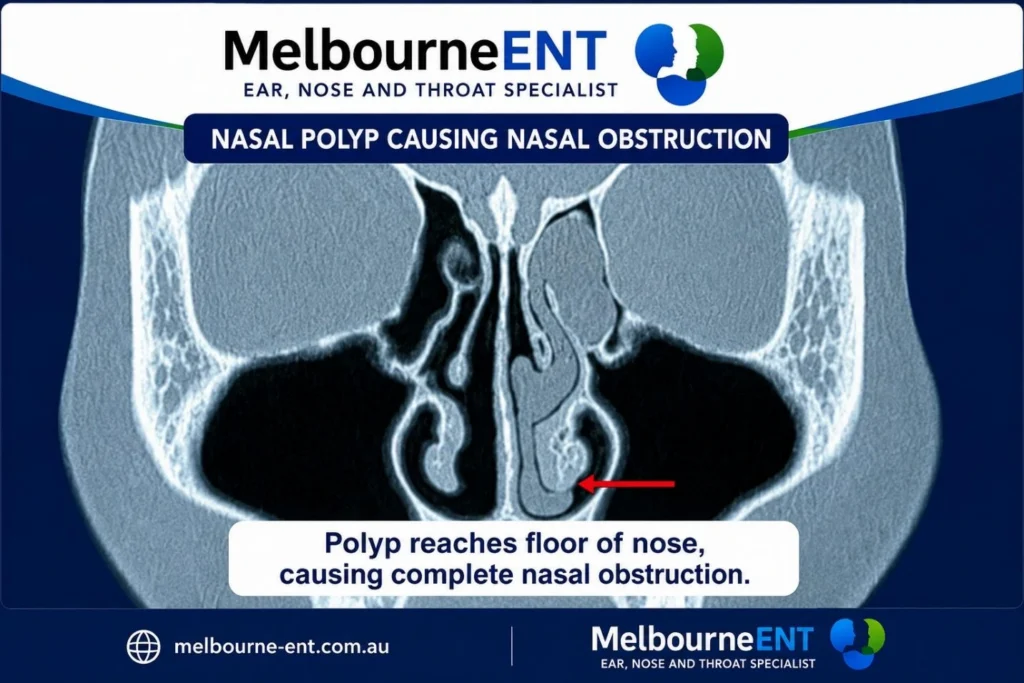
- Chronic sinus inflammation or nasal polyps
- Previous trauma or previous nasal surgery
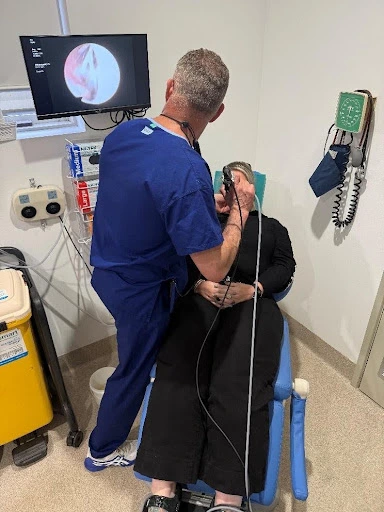
An ENT assessment may include examination of the outside and inside of the nose, nasal endoscopy and, in selected cases, imaging such as a CT scan. Treatment may involve medical management, allergy care, nasal sprays, sinus treatment or surgery.
When The Shape Of Your Nose Is A Concern
Some patients seek advice because they are concerned about the appearance, shape, size, symmetry or balance of the nose.
Common concerns may include:
- A hump on the nasal bridge
- A crooked or asymmetric nose
- A wide, drooping or under-supported nasal tip
- Nostril shape or width
- Changes after injury or previous rhinoplasty
Cosmetic nose surgery requires careful planning because the nose is both a visible facial feature and an important breathing structure. Surgical outcomes vary between patients and cannot be guaranteed.
When Breathing And Appearance Are Connected
Nose surgery is often described as either functional or cosmetic, but these concerns can overlap.
A crooked nose may also be a blocked nose. A previous fracture may affect both appearance and airflow. A collapsed nasal sidewall may change the shape of the nose while also narrowing the airway.
When both breathing and appearance are relevant, procedures such as septorhinoplasty or airway rhinoplasty may be discussed. Your surgeon will assess your nasal structure, symptoms and goals before explaining suitable options.
Understanding Your Nose Surgery Options

Melbourne ENT provides assessment for a range of cosmetic and functional nose surgery procedures. The most appropriate option depends on the cause of your concern, your anatomy and your goals.
Common nose and sinus procedures include:
- Septoplasty
- Turbinoplasty
- Sinus surgery and FESS
- Airway rhinoplasty
- Septorhinoplasty
- Rhinoplasty
- Revision rhinoplasty
The summaries below explain the main differences between these procedures.
Septoplasty: Surgery For A Deviated Septum
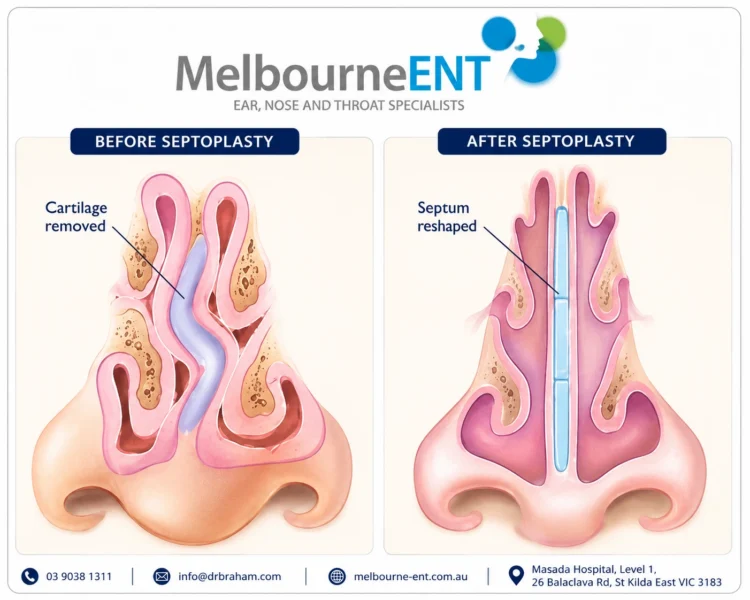
Septoplasty is surgery to correct a deviated septum. The septum is the internal wall that separates the left and right nasal passages.
A deviated septum can narrow one or both sides of the nose and contribute to blocked breathing. Septoplasty is primarily intended to improve nasal airflow by addressing the internal septal deviation.
Septoplasty is not usually performed to change the external appearance of the nose, although it may be combined with other procedures when appropriate.
Turbinoplasty: Treating Enlarged Turbinates
Turbinoplasty is surgery to reduce enlarged turbinates. Turbinates are normal structures inside the nose that help warm, humidify and filter air.
When turbinates become enlarged, they can narrow the nasal passages and contribute to congestion or blocked breathing. Turbinoplasty may be considered when symptoms have not improved enough with appropriate medical treatment.
Turbinoplasty may be performed alone or with other nasal procedures, such as septoplasty.
Sinus Surgery: Treatment Options For Ongoing Sinus Disease
Sinus surgery may be considered for selected patients with chronic sinus disease, recurrent sinus infections, nasal polyps or blocked sinus drainage pathways.
Sinus symptoms may include:
- Facial pressure
- Nasal blockage
- Discoloured mucus
- Reduced sense of smell
- Post-nasal drip
Sinus surgery is different from cosmetic nose surgery. It is focused on sinus drainage pathways rather than changing the external appearance of the nose.
Functional Endoscopic Sinus Surgery: A Closer Look At FESS
Functional endoscopic sinus surgery, often called FESS, is a type of sinus surgery performed through the nostrils using an endoscope.
FESS may be considered for selected patients with chronic rhinosinusitis, nasal polyps or recurrent sinus disease that has not responded adequately to medical treatment.
The need for FESS is usually assessed using symptoms, nasal examination, endoscopy findings and imaging.
Airway Rhinoplasty: Supporting The Nasal Airway
Airway rhinoplasty focuses on improving structural support of the nasal airway.
It may be considered when nasal valve narrowing or collapse contributes to obstruction. Some patients notice blockage that worsens during deep breathing, exercise or sleep, or feel that the side of the nose pulls inward when breathing in.
Suitability depends on the cause of obstruction and the patient’s nasal anatomy.
Septorhinoplasty: Addressing Breathing And Structure Together
Septorhinoplasty combines septoplasty with surgery to change or support the external structure of the nose.
It may be considered when both the nasal septum and the external nasal framework contribute to breathing or shape concerns. This may occur after trauma, with a crooked nose, nasal valve narrowing or structural collapse.
Because septorhinoplasty may affect both breathing and appearance, consultation includes discussion of goals, risks, limitations and recovery.
DOWNLOAD GUIDE
Considering Rhinoplasty surgery? Information is just one click away.
Rhinoplasty: Changing The Shape Or Structure Of The Nose
Rhinoplasty is surgery to change the shape or structure of the nose. It may involve the nasal bridge, tip, nostrils, bones, cartilage or overall nasal proportions.
Some patients consider rhinoplasty because of concerns about appearance. Others may require structural changes to support breathing. In some cases, rhinoplasty planning considers both appearance and nasal function.
Rhinoplasty planning depends on several factors, including:
- Skin thickness
- Cartilage strength
- Facial proportions
- Previous trauma or surgery
- Healing factors
Alarplasty and Tip Plasty: Focused Changes To The Nostrils Or Tip
Some patients are concerned about specific parts of the nose, such as the nostrils or nasal tip.
Alarplasty may be used to alter nostril shape or width. Tip plasty focuses on the nasal tip and may be considered for concerns about tip shape, support, width, rotation or definition.
These procedures may be performed alone in selected patients or as part of broader rhinoplasty planning.
Using Imaging To Support Surgical Planning
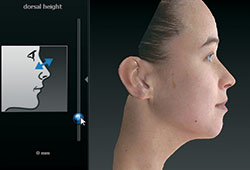
Computer imaging may sometimes be used during rhinoplasty consultation to help discuss possible changes to nasal shape and balance.
Imaging can help clarify which areas of the nose are being discussed, such as the bridge, tip, nostrils or profile. It should be understood as a communication tool only.
Imaging does not guarantee a result. Healing, anatomy, skin thickness, swelling, scar tissue and surgical limitations can all affect the final outcome.
Which Procedure Might Be Relevant To You?
The procedure that may be discussed depends on the cause of your symptoms. This table is a general guide only and does not replace medical assessment.
| Your Main Concern | Procedure Or Assessment That May Be Discussed |
|---|---|
| Persistent Nasal Blockage | Septoplasty, Turbinoplasty Or Nasal Airway Assessment |
| Deviated Septum | Septoplasty Or Septorhinoplasty |
| Nasal Valve Collapse | Airway Rhinoplasty Or Nasal Valve Assessment |
| Chronic Sinus Symptoms | Sinus Assessment, Imaging Or Sinus Surgery |
| Nose Shape Concerns | Rhinoplasty Consultation |
| Previous Nose Surgery Concerns | Revision Rhinoplasty Or Functional Assessment |
Your surgeon will discuss what is appropriate after examining your nose, reviewing your symptoms and considering your medical history.
What Happens At Your Nose Surgery Consultation?
At Melbourne ENT, patients with nasal and sinus concerns are assessed by specialist ENT surgeons Dr Stephen Kleid and Dr Simon Braham.
During your consultation, your surgeon may ask about your symptoms, previous treatment, allergies, sleep, sinus history, injuries and any previous nasal or sinus surgery.
Your consultation may include:
- Examination of the outside and inside of the nose
- Nasal endoscopy, if clinically appropriate
- Review of previous scans or imaging, if available
- Discussion of non-surgical and surgical options
- Explanation of risks, limitations, recovery and alternatives
Our reception team can help guide appointment enquiries based on the information provided in your referral.
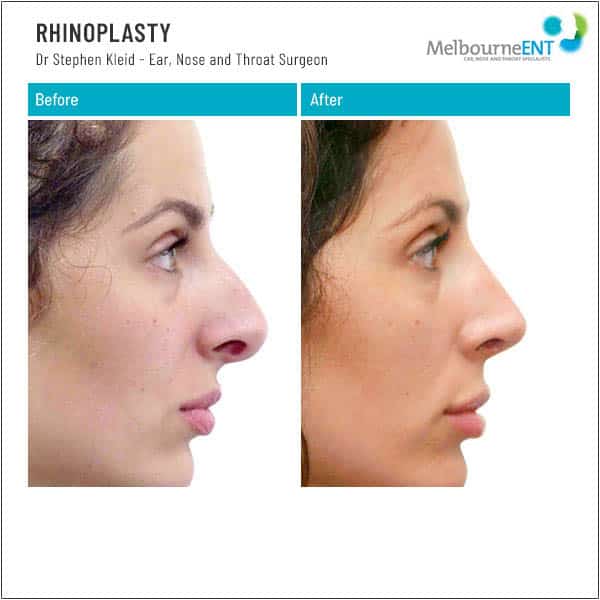
See the Before and After Gallery
See more Nose Surgery Before and After Photos of patients in our Gallery.
Meet Your Melbourne ENT Surgeons
Melbourne ENT patients are assessed by specialist ENT surgeons with experience in nasal, sinus and airway conditions.
Dr Stephen Kleid is an ENT surgeon based in Melbourne. He brings more than 40 years of ENT experience, with expertise across head and neck surgery, sleep apnoea care and cochlear implant surgery.
Dr Simon Braham is an ENT surgeon based in Melbourne. He trained in Melbourne, New York and Boston, and has a special interest in sinus, nasal and airway conditions.
During consultation, your surgeon will assess your symptoms, examine your nose and discuss whether further investigation, non-surgical treatment or surgery may be suitable.
Understanding Risks, Suitability And Realistic Expectations

All surgery has risks. Nose surgery is not suitable for every patient, and results vary.
- Bleeding, infection, pain or discomfort
- Swelling, bruising or scarring
- Changes in nasal sensation or smell
- Ongoing nasal blockage
- Asymmetry or dissatisfaction with cosmetic outcome
- Need for further surgery or anaesthetic risks
Your surgeon will discuss the risks relevant to your procedure, as well as recovery, alternatives to surgery and the likely limitations of treatment.
How Your Surgeon Assesses Your Nose
Your surgeon may ask when your symptoms started, whether they affect one side or both sides, whether they change with allergies, and whether you have had previous trauma or surgery.
The examination may include assessment of the external shape of the nose, nasal tip, sidewall support, septum, turbinates, nasal valves and sinus drainage areas.
Further imaging, medical treatment or review may be recommended before surgery is considered.
How To Prepare For Your Appointment
To make your consultation more useful, please bring your referral and any relevant medical information.
This may include:
- A list of current medications
- Previous operation reports, if available
- Previous CT scans or imaging reports
- Details of nasal sprays or sinus medications already tried
- A short list of your main concerns or questions
A valid medical referral from a GP or specialist may be required to see a surgeon for consultation.
What Recovery May Involve
Nose surgery recovery varies depending on the type of surgery performed, whether procedures are combined, and individual healing factors.
Some patients may experience swelling, bruising, congestion, mild bleeding, discomfort or a blocked sensation during the early recovery period.
Your surgeon will provide instructions about wound care, nasal rinses if required, medications, activity restrictions and follow-up appointments.

Common Questions About Nose Surgery
What is the difference between rhinoplasty and septoplasty?
Rhinoplasty changes the shape or structure of the external nose. Septoplasty corrects the internal nasal septum. Some patients need one procedure, while others may need both.
Can nose surgery improve breathing?
Nose surgery may improve breathing if the blockage is caused by structural problems such as a deviated septum, enlarged turbinates or nasal valve collapse. The likely benefit depends on the cause of obstruction and the patient’s anatomy.
Is sinus surgery the same as rhinoplasty?
No. Sinus surgery treats sinus disease and sinus drainage pathways. Rhinoplasty changes the shape or structure of the nose.
What is airway rhinoplasty?
Airway rhinoplasty is surgery focused on improving the structural support of the nasal airway. It may be considered when nasal valve narrowing or collapse contributes to obstruction.
Are nose surgery results guaranteed?
No. Outcomes vary between patients. Healing, anatomy, skin thickness, previous surgery, scarring and medical factors can all affect the result.
Is there a non-surgical option?
Sometimes. Nasal sprays, allergy treatment, sinus treatment, rinses or other medical care may be appropriate before surgery is considered.
How do I know which procedure I need?
The procedure depends on the cause of your concern. A consultation helps determine whether symptoms relate to the septum, turbinates, sinuses, nasal valves, external nasal structure or a combination.
Arranging A Nose Surgery Consultation
A consultation can help identify the cause of your nasal symptoms and whether treatment may be appropriate.
To arrange an appointment with Melbourne ENT, please contact our rooms. A referral from your GP or specialist may be required.
Melbourne ENT consults from Masada Medical Centre, Level 1, 26 Balaclava Road, East St Kilda, Victoria.
Further Reading
- Read more about Nose Concerns and Conditions
- Read more about Free Nose Imaging for Rhinoplasty Surgery
- Read about Melbourne ENT’s ENT Surgery Melbourne
- View Melbourne ENT’s Before and After Photos