

Why Humans Breath Through their Nose and Why Mouth Breathing is Bad
Breathing is one of the most important functions of the human body. Every day, humans take approximately 20,000 breaths without even thinking about it. While breathing may seem simple, the way we breathe has a major impact on health, sleep, energy levels, facial development, and overall wellbeing. The human nose is specifically designed to prepare air for the lungs and as the first line of defence against airborne pathogens, this nasal breathing is the body’s natural and healthiest way to breathe. In contrast, chronic mouth breathing can lead to a wide range of health problems affecting both children and adults.
The Nose: A Highly Specialised Organ
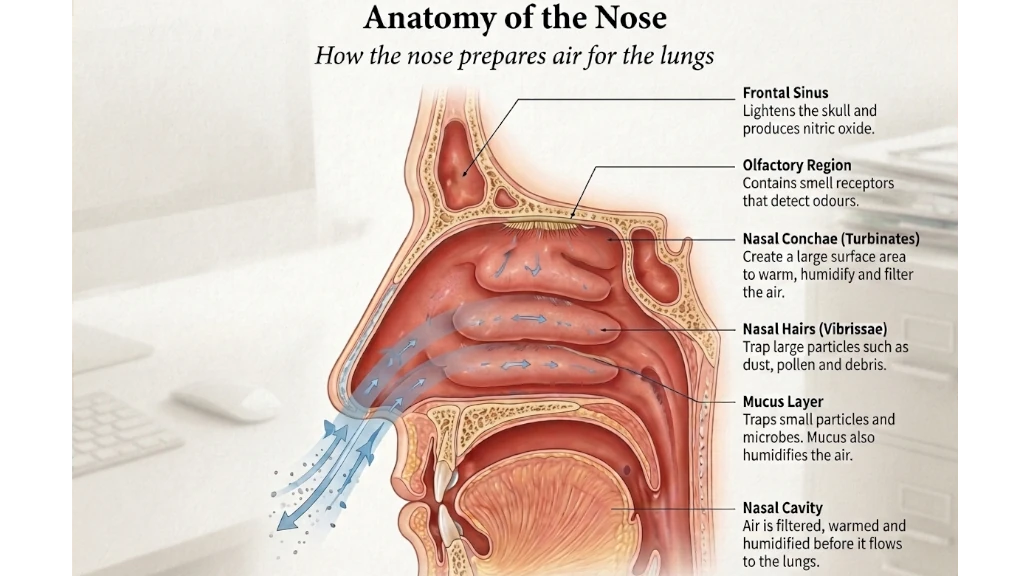
The human nose is far more than a cosmetic feature in the centre of the face. It is a highly specialised organ designed to optimise breathing. The nasal passages perform several critical functions before air reaches the lungs.
These functions include:
- Filtering airborne particles
- Warming cold air
- Humidifying dry air
- Supporting the immune system and the first line of defence against pathogens
- Regulating airflow
- Enhancing smell and taste
The inside of the nose is lined with tiny hairs and mucus that trap dust, bacteria, allergens, and pollutants. This filtration system helps prevent harmful particles from entering the lungs. Without this protection, the lower airways would be exposed to much higher levels of irritation and infection.
The nose also warms and humidifies inhaled air. Cold or dry air can irritate the lungs and airways, but the nasal passages condition the air so that it reaches the lungs at the ideal temperature and moisture level. This is particularly important in cold climates and during exercise.
Nitric Oxide and Nasal Breathing
One of the most fascinating aspects of nasal breathing is the production of nitric oxide. Nitric oxide is a gas naturally produced inside the sinuses. When breathing through the nose, this gas mixes with inhaled air and travels into the lungs.
Nitric oxide plays several important roles:
- Improves oxygen absorption in the lungs
- Helps blood vessels dilate
- Enhances circulation
- Supports immune function
- Has antibacterial and antiviral properties
Research has shown that nasal breathing improves oxygen efficiency compared with mouth breathing. This means the body can use oxygen more effectively, improving endurance, concentration, and overall energy levels.
Why Humans Are Designed to Breathe Through the Nose
Human anatomy strongly supports nasal breathing. The structure of the face, sinuses, throat, and airways all work together to promote breathing through the nose rather than the mouth.
When humans breathe normally through the nose:
- The tongue rests against the roof of the mouth
- The jaw remains in a healthy position
- Facial muscles stay balanced
- Airflow is controlled and regulated
This natural posture is particularly important during childhood because it helps guide normal facial growth and dental development.
Mouth breathing bypasses these natural mechanisms and can disrupt the balance of the airway and facial structures.
Causes of Mouth Breathing
Mouth breathing is often caused by nasal obstruction or habit. Common causes include:
- Allergies
- Enlarged adenoids or tonsils
- Chronic nasal congestion
- Deviated nasal septum
- Nasal polyps
- Sinus infections
- Sleep-disordered breathing
- Habitual breathing patterns
In many people, mouth breathing begins during childhood and continues into adulthood if not corrected.
Why Mouth Breathing Is Bad for You
Occasional mouth breathing is normal, especially during heavy exercise or nasal illness. However, chronic mouth breathing can have significant negative effects on health.
✓ Poor Sleep Quality
One of the most common consequences of mouth breathing is poor sleep. Mouth breathing is strongly associated with snoring, sleep fragmentation, and obstructive sleep apnoea.
When breathing through the mouth during sleep:
- The airway becomes more unstable
- The throat is more likely to collapse
- Snoring increases
- Oxygen levels may fluctuate
As a result, people often wake feeling tired despite spending enough time in bed.
Poor sleep quality can lead to:
- Daytime fatigue
- Difficulty concentrating
- Mood changes
- Reduced productivity
- Increased cardiovascular risk
Children who mouth breathe during sleep may also develop behavioural problems, poor school performance, and hyperactivity due to chronic sleep disruption.
✓ Dry Mouth and Dental Problems
The mouth is not designed to handle constant airflow. Mouth breathing dries out saliva, which plays a crucial role in protecting teeth and gums.
Chronic mouth breathing increases the risk of:
- Tooth decay
- Gum disease
- Bad breath
- Oral infections
- Inflamed gums
Saliva helps neutralise acids and control bacteria in the mouth. Without enough saliva, harmful bacteria can grow more easily.
Dry mouth can also make eating, swallowing, and speaking uncomfortable.
✓ Facial and Jaw Development Problems
In children, chronic mouth breathing can significantly affect facial growth. Because the tongue sits lower in the mouth rather than against the palate, the upper jaw may not develop properly.
This can lead to:
- Narrow dental arches
- Crooked teeth
- Long facial appearance
- Receding chin
- Bite problems
Some experts refer to this pattern as “long face syndrome” or “adenoid facies.”
These structural changes can further worsen airway problems and contribute to lifelong breathing difficulties.
✓ Temporomandibular Joint Problems, Neck Pain, and Headaches
Chronic mouth breathing can also affect posture and muscle function in the head and neck. Mouth breathers often adopt a forward head posture in an unconscious attempt to open the airway and improve airflow. Over time, this altered posture can place strain on the muscles and joints of the jaw, neck, and shoulders.
The temporomandibular joints (TMJ), which connect the jaw to the skull, may become overloaded due to abnormal jaw positioning and altered muscle balance. This can contribute to temporomandibular joint dysfunction, commonly referred to as TMJ disorder.
Symptoms may include:
- Jaw pain or tightness
- Clicking or popping of the jaw
- Difficulty chewing
- Facial muscle fatigue
- Teeth grinding or clenching
The associated muscle tension may also extend into the neck and upper shoulders, leading to chronic neck pain and stiffness.
In addition, chronic muscle strain and poor head posture can trigger tension headaches. Many mouth breathers report headaches around the temples, forehead, or back of the head, particularly on waking in the morning.
Sleep disruption from mouth breathing and obstructive sleep apnoea may further worsen headaches and muscular tension due to poor overnight recovery and oxygen fluctuation.
✓ Reduced Oxygen Efficiency
Although mouth breathing allows air into the lungs, it is less efficient than nasal breathing. Mouth breathing bypasses nitric oxide production and the natural resistance created by the nose.
Nasal resistance actually helps optimise lung expansion and oxygen exchange. Mouth breathing can result in faster, shallower breathing patterns that are less effective.
This may contribute to:
- Fatigue
- Anxiety
- Reduced exercise tolerance
- Increased stress response
Many people who chronically mouth breathe unknowingly hyperventilate, which can disrupt carbon dioxide balance and worsen feelings of breathlessness.
✓ Increased Risk of Infection
The nose acts as the body’s first line of defence against germs. Mouth breathing bypasses much of this protective filtering system.
As a result, mouth breathers may experience:
- More sore throats
- Increased respiratory infections
- Greater exposure to allergens and pollutants
The dry airway caused by mouth breathing can also irritate tissues and reduce local immune protection.
✓ Reduced ability to exercise
People with nasal obstruction find exercise more difficult to preform and wont reach the peak ability to perform maximal cardiovascular challenges compared to people that can breath properly through their noses. This is especially important for athletes both professionally and recreationally.
Download The Benefits of Breathing Through Your Nose Brochure
The Importance of Early Treatment
Recognising and treating mouth breathing early is important, particularly in children. Persistent mouth breathing should never be ignored, especially if associated with snoring, restless sleep, or behavioural issues.
Treatment depends on the underlying cause and may include:
- Allergy management
- Nasal sprays
- Treatment of sinus disease
- Adenoid or tonsil surgery
- Septoplasty for a deviated septum
- Sinus surgery
- Orthodontic treatment
- Breathing retraining exercises
Improving nasal airflow can dramatically improve sleep quality, energy levels, and overall health.
Conclusion
Humans are biologically designed to breathe through the nose. The nose filters, warms, humidifies, and regulates the air before it reaches the lungs, while also supporting immune function and oxygen efficiency. Nasal breathing promotes better sleep, healthier facial development, improved dental health, and more effective oxygen delivery throughout the body and improved exercise ability .
In contrast, chronic mouth breathing bypasses many of these essential functions and can contribute to sleep disorders, dental problems, poor facial growth, jaw dysfunction, neck pain, tension headaches, fatigue, and reduced overall health.
While occasional mouth breathing is normal, persistent mouth breathing should be properly assessed and treated. Encouraging healthy nasal breathing habits can have lifelong benefits for physical health, sleep quality, posture, and wellbeing.
When Should You Seek Advice About Mouth Breathing?
Consider discussing persistent mouth breathing with a GP, dentist or ENT specialist when it is accompanied by ongoing nasal blockage, snoring, disturbed sleep, dry mouth, recurrent throat symptoms or concerns about a child’s breathing.
You can arrange an ENT assessment with Melbourne ENT to discuss your symptoms and the possible next steps. The appropriate assessment or treatment will depend on the individual cause and clinical findings.
Further Reading
- Persistent Nasal Congestion
- Allergic Rhinitis
- Deviated Septum
- Sleep-Disordered Breathing in Children
- Snoring and Obstructive Sleep Apnoea
- Why Might I Need a Nasendoscopy?