


At Melbourne ENT, located in St Kilda East, Victoria, we understand how common and disruptive ear issues can be. Our experienced ENT surgeons, Dr Stephen Kleid and Dr Simon Braham, offer expert diagnosis and personalised treatment for a broad range of ear problems and disorders. Our team is dedicated to providing comprehensive care using the latest diagnostic tools and treatment techniques. Whether you’re experiencing hearing loss, tinnitus, or chronic infections, our goal is to help you regain comfort and confidence through high-quality care tailored to your individual needs.
What Are Common Ear Problems And Disorders?
Ear disorders encompass a wide variety of conditions that can affect the outer, middle, or inner ear. These conditions may impair not only your hearing but also your sense of balance and overall quality of life. Infections such as otitis media and otitis externa are common in both children and adults, often arising after a cold, exposure to water, or due to allergies. Hearing loss can occur from damage to the ear canal, eardrum, or inner ear structures, and may be temporary or permanent. Tinnitus can develop as a symptom of hearing loss or occur independently due to exposure to loud noises or underlying medical conditions. Eustachian tube dysfunction can lead to pressure imbalances and recurring infections.
Less common but serious issues such as cholesteatoma or otosclerosis may cause progressive hearing loss and require surgical treatment. These conditions, although diverse, are all treatable and manageable with the right care. Understanding the nature and severity of your specific ear problem is the key to selecting the most effective treatment pathway.
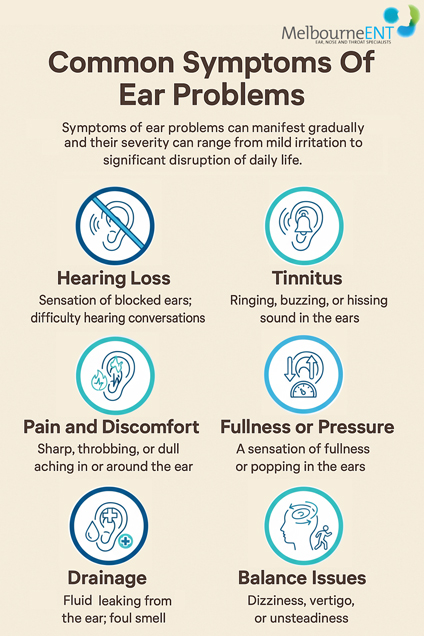
Common Symptoms Of Ear Problems
Symptoms of ear problems can manifest gradually or suddenly, and their severity can range from mild irritation to significant disruption of daily life. Individuals with hearing-related symptoms often describe a sensation of ears being blocked or a reduced ability to hear conversations, especially in noisy environments. Tinnitus may be constant or intermittent, and its impact on sleep and concentration can be profound. Those with pain and discomfort may report sharp, throbbing, or dull aches that interfere with routine activities like sleeping, chewing, or even speaking. Pressure imbalances can occur during air travel, diving, or due to sinus congestion, creating a sensation of fullness or popping in the ears. Infections can lead to visible symptoms such as redness around the ear, fluid drainage, or a noticeable odour. Children may tug at their ears, cry more frequently, or have trouble sleeping. Balance issues often present as dizziness, vertigo, or a feeling of unsteadiness, which can significantly affect mobility and confidence. Such neurological symptoms can disrupt a person’s ability to perform everyday tasks and may increase the risk of falls, especially in the elderly. Prompt assessment is essential when these symptoms occur, as early diagnosis can prevent complications and facilitate a quicker return to health.
Who Is Affected By Ear Disorders?
Ear disorders can impact anyone, regardless of age, lifestyle, or health status. Infants and young children are particularly vulnerable due to the anatomy of their developing ears and frequent upper respiratory infections. These conditions may affect speech and language development if not addressed early. Adults, especially those exposed to loud environments, often experience hearing loss or tinnitus as a result of occupational hazards or recreational noise exposure. The use of earbuds and headphones at high volumes has become a significant concern for younger adults.
Older adults face unique challenges as hearing deteriorates with age, affecting social interaction, mental health, and overall well-being. Balance issues in this group also increase the risk of injury from falls. Swimmers, divers, and people working in humid environments are at heightened risk of outer ear infections, while frequent flyers may experience recurrent ear barotrauma. Allergy sufferers often have chronic Eustachian tube problems, leading to a cycle of congestion, discomfort, and fluid retention. Recognising these risk factors helps in designing proactive prevention strategies and tailoring treatments that reflect each patient’s lifestyle and health background.
Diagnosis And Evaluation At Melbourne ENT
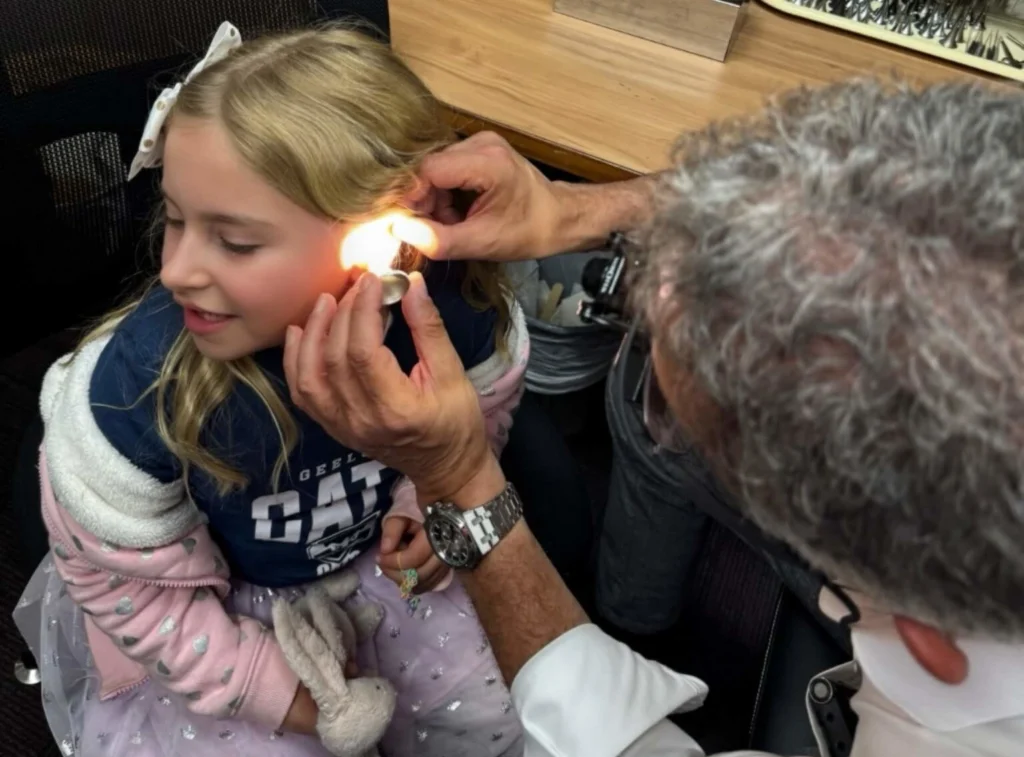
Our diagnostic approach at Melbourne ENT begins with a thorough consultation where we explore your symptoms, medical history, lifestyle, and any previous treatments. A detailed physical examination follows, utilising high-resolution otoscopy and ear microscopy to inspect the ear canal and eardrum closely. For a precise understanding of hearing capacity and ear function, we conduct a full suite of audiological assessments. These include pure tone audiometry, which maps your hearing threshold, and tympanometry, which evaluates the movement of the eardrum and middle ear pressure. Speech discrimination tests are used to assess clarity and comprehension of spoken language, which is particularly helpful in understanding the impact of hearing loss on communication. If more detailed visualisation of the ear structures is required, we may recommend imaging techniques such as CT scans or MRI. These help detect abnormalities like tumours, cholesteatoma, or bone malformations. For patients experiencing balance issues, specialised vestibular tests including the head impulse test and Dix-Hallpike manoeuvre are used to pinpoint the cause. This comprehensive diagnostic framework ensures a clear, accurate understanding of your condition and allows us to develop a treatment plan tailored specifically to you.
Treatment Options For Ear Conditions
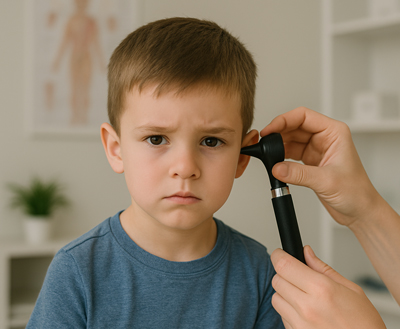
At Melbourne ENT, we provide a full spectrum of treatment options, designed to relieve symptoms, address the root cause, and restore ear health. Medical treatments are often the first line of management. These may include targeted antibiotic or antifungal ear drops for infections, anti-inflammatory medications, and corticosteroids to reduce swelling and immune-related conditions. Wax impactions are safely managed using gentle microsuction, which avoids damage to the ear canal or eardrum. For tinnitus, we offer sound therapy, cognitive behavioural therapy (CBT), and advanced masking devices to help manage the condition and reduce its psychological impact. Vestibular rehabilitation therapy is used to retrain the brain and inner ear systems for those suffering from balance disorders. When surgery is necessary, we offer advanced options performed under the highest standards of care. Grommet insertion is a common solution for children and adults with chronic middle ear fluid or infections. Tympanoplasty repairs perforated eardrums, improving hearing and preventing recurrent infections. Ossiculoplasty reconstructs the tiny bones of the middle ear to restore sound transmission. For patients with otosclerosis, stapedectomy replaces the immobilised stapes bone with a prosthesis, often restoring significant hearing. In more complex cases, such as cholesteatoma or mastoid infections, mastoidectomy may be performed. For those with profound hearing loss, cochlear implants provide a life-changing alternative when traditional hearing aids no longer suffice.
When Is Surgery Recommended?
Surgical intervention is considered when medical treatments fail to produce lasting results or when the underlying cause cannot be addressed non-surgically. Persistent infections that do not respond to antibiotics may require drainage or removal of affected tissue. Structural abnormalities, such as perforated eardrums, ossicular chain disruption, or growths like cholesteatomas, often necessitate surgical repair to prevent further damage and restore function. In paediatric cases, recurring middle ear fluid can interfere with speech development, hearing, and behaviour. In such scenarios, inserting grommets can provide immediate relief and long-term improvement. Adults with otosclerosis or profound hearing loss may find their quality of life significantly enhanced by procedures like stapedectomy or cochlear implantation. The decision to proceed with surgery is made collaboratively, with your surgeon providing detailed explanations of the procedure, expected outcomes, and potential risks. Each case is approached with sensitivity, ensuring patients feel confident and informed every step of the way.
Recovery And Prognosis
Recovery after ear procedures varies based on the nature of the condition, the complexity of the surgery, and individual healing capacity. Minor treatments, such as wax removal or grommet insertion, typically involve little to no downtime. Patients can return to regular activities almost immediately with minimal discomfort. Intermediate procedures like tympanoplasty or ossiculoplasty may require a few days of rest. Patients are advised to avoid water exposure and strenuous activity to allow proper healing. Follow-up visits ensure the surgical site is healing correctly and that hearing function is being restored. Major procedures, including mastoidectomy or cochlear implantation, involve a longer recovery period and may necessitate rehabilitation support such as audiology sessions or vestibular training. However, with modern surgical techniques and personalised care, most patients experience a dramatic improvement in symptoms and overall quality of life. Ongoing monitoring and access to audiological support are provided as part of our comprehensive post-operative care, ensuring your recovery is smooth and successful.
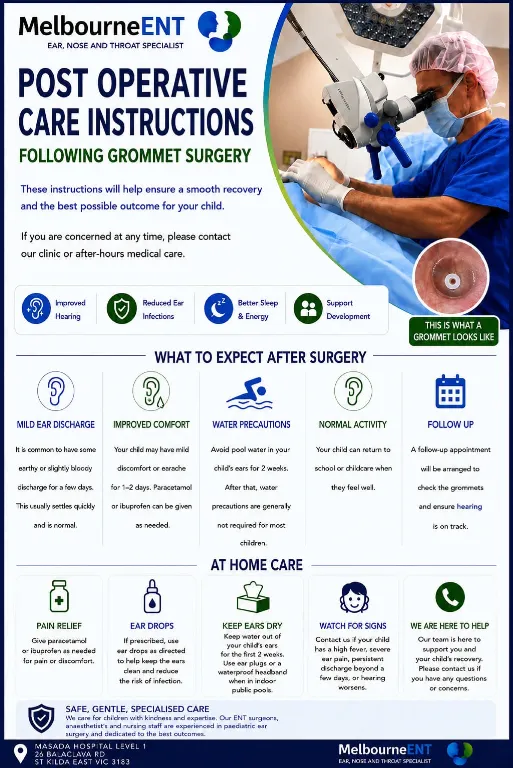
Download Post Operative Care Instructions
Risks Or Complications If Left Untreated
Ignoring ear symptoms or delaying treatment can lead to serious complications. Recurrent infections may cause permanent damage to the delicate structures of the ear, leading to chronic ear pain, hearing impairment, or even spread of infection to nearby areas such as the mastoid bone or brain, although this is rare. Untreated hearing loss can contribute to social withdrawal, depression, and cognitive decline, particularly in older adults. Persistent tinnitus, when unmanaged, can cause anxiety, insomnia, and reduced concentration, significantly impacting day-to-day life. Children with undiagnosed hearing issues may experience speech delays, academic difficulties, and behavioural problems. Balance disorders that are not properly treated increase the risk of falls, injury, and reduced independence. Proactive diagnosis and management not only resolve symptoms but also protect your long-term hearing and neurological health.
Concerned About Ear Problems?
If you’re dealing with any ear-related symptoms, whether recent or ongoing, now is the time to take action. The expert ENT team at Melbourne ENT is here to guide you through each step of the process, from diagnosis to full recovery. With years of experience and access to advanced medical technologies, we offer compassionate, evidence-based care you can trust. Booking a consultation is easy and may be the most important step in reclaiming your comfort and confidence.
To book a consultation, you can contact Dr Stephen Kleid directly by calling (03) 9038 1630 or visiting his contact page. For appointments with Dr Simon Braham, please call (03) 9038 1311 or visit his contact page for more information.
FAQs About Common Ear Problems And Disorders
Why do my ears feel blocked even when there’s no visible wax?
A sensation of blocked ears can result from Eustachian tube dysfunction, pressure changes, or fluid behind the eardrum – even when wax isn’t present. It’s often related to sinus congestion or allergies.
Can stress or anxiety really affect my ears or cause tinnitus?
Yes. Stress and anxiety can heighten your perception of tinnitus and may even trigger or worsen symptoms by affecting blood flow and neural activity in the auditory pathways.
Is it normal for ear infections to affect my balance or make me feel dizzy?
Yes. The inner ear plays a crucial role in balance. Infections or inflammation, especially in the vestibular system, can cause dizziness or vertigo as a symptom.
Why does my hearing fluctuate throughout the day?
Fluctuating hearing can be linked to fluid in the middle ear, changes in blood pressure, Meniere’s disease, or intermittent blockages. It’s important to track when and how often this occurs.
How do ear problems affect children’s development?
Recurring ear infections or undiagnosed hearing loss in children can impair speech and language acquisition, delay learning, and affect social development if not addressed early.
Is it harmful to clean my ears with cotton buds?
Yes. Cotton buds can push wax deeper, irritate the canal, or even cause eardrum damage. Professional cleaning is safer and more effective.
What does it mean if I hear ringing in one ear only?
Unilateral tinnitus may indicate asymmetric hearing loss or conditions like acoustic neuroma. It should always be assessed by an ENT specialist for proper diagnosis
Sources:
- Clinical Diagnosis and Surgical Strategies Update on Ear Disorders
Journal of Clinical Medicine (MDPI)
https://www.mdpi.com/journal/jcm/special_issues/5LAW1U7375 - Prevalence of Ear Infections in Children (0 to 15 Years) of India: A Systematic Review and Meta-Analysis
International Archives of Public Health and Community Medicine
https://clinmedjournals.org/articles/iaphcm/international-archives-of-public-health-and-community-medicine-iaphcm-6-080.php?jid=iaphcm - Precision Medicine: A New Era for Inner Ear Diseases
Frontiers in Pharmacology
https://www.frontiersin.org/journals/pharmacology/articles/10.3389/fphar.2024.1328460/full - Global Burden of Hearing Impairment and Ear Disease
Journal of Laryngology and Otology (Cambridge University Press)
https://www.cambridge.org/core/journals/journal-of-laryngology-and-otology/article/global-burden-of-hearing-impairment-and-ear-disease/31921A053C9152DCBD5F6962D8461A0B - Meniere Disease
StatPearls (NCBI Bookshelf)
https://www.ncbi.nlm.nih.gov/books/NBK536955/ - Acute Otitis Media
StatPearls (NCBI Bookshelf)
https://www.ncbi.nlm.nih.gov/books/NBK470332/ - Middle Ear Disorders in Children with Down Syndrome
Children (MDPI)
https://www.mdpi.com/2227-9067/12/5/558
Why Choose Your Surgeon
Dr Stephen Kleid (MBBS, FRACS) brings over 40 years of surgical experience in the diagnosis and treatment of complex ENT conditions. He is recognised nationally for his expertise in ear and head and neck surgery, and has been a leader in cochlear implant development. His role at major Melbourne hospitals, including Peter MacCallum Cancer Centre and Royal Melbourne Hospital, reflects his commitment to excellence in clinical care and medical education.
Dr Simon Braham (MBBS Hons, FRACS) is a specialist ENT surgeon known for his precision and holistic approach. With additional training from top US institutions in New York and Boston, Dr Braham expertly manages a wide range of ENT conditions. He has extensive experience in paediatric ENT, advanced nasal surgery, and hearing-related procedures.
Further Reading
- Read about Melbourne ENT’s Middle Ear Infection (AOM)
- Read about Melbourne ENT’s Ear Ache
- Read about Melbourne ENT’s Sudden Hearing Loss – An Otologic Emergency In Melbourne
- Read about Melbourne ENT’s ENT Surgery Melbourne