
Rhinoplasty and septoplasty are common nasal procedures performed to enhance breathing, improve nasal structure, or refine aesthetic appearance. While the results are often transformative, patients are naturally concerned about the temporary bruising and swelling that follow surgery. At Melbourne ENT, located in St Kilda East, Victoria, our expert team – led by ENT and Head & Neck Surgeon Dr Stephen Kleid and Facial Plastic Surgeon Dr Simon Braham – provides comprehensive support to ensure a smooth, confident recovery.
Our clinic is committed to equipping patients with the knowledge and reassurance they need throughout their surgical journey. Understanding the natural process of healing, including visible swelling and bruising, empowers patients and contributes to more positive outcomes. This guide outlines practical advice and clinical insights from Melbourne ENT to help reduce bruising and swelling following rhinoplasty or septoplasty.
Understanding Postoperative Bruising and Swelling
Bruising and swelling are the body’s natural response to surgical intervention. During rhinoplasty or septoplasty, delicate nasal tissues are reshaped or repositioned, triggering inflammation. Bruising is typically most noticeable around the eyes and cheeks, while swelling may affect both the interior and exterior of the nose.
The intensity of these symptoms depends on multiple factors, including the extent of the surgery, the patient’s age and skin type, and individual healing responses. While initial swelling begins to subside within a few days, it can take several weeks or even months for residual swelling to fully resolve – especially at the nasal tip, which is often the last area to refine.
Melbourne ENT ensures patients are fully informed about this process, offering clarity and reassurance from the very first consultation. Our commitment to open communication, visual aids, and preoperative education enables patients to approach surgery with confidence. By managing expectations and addressing concerns early, we help reduce anxiety and improve satisfaction with the final results.
What to Expect in the First Few Days
In the initial 48 to 72 hours post-surgery, swelling and bruising tend to peak. Patients may experience puffiness, discoloration, tenderness, and mild discomfort. Bruising and swelling can occur after nasal surgery and generally improve over time, although the amount and duration vary between patients.
During this time, it’s crucial to rest, hydrate, and follow your surgeon’s recovery instructions carefully. Melbourne ENT provides every patient with a comprehensive post-op care plan that includes lifestyle tips, wound care instructions, and access to clinical support. Patients are advised to avoid unnecessary facial movement, excessive speaking, and temperature extremes, which can aggravate swelling.
Dr Kleid and Dr Braham use gentle surgical techniques and proactive care protocols to minimise trauma, including internal splints, dissolvable sutures, and precise tissue handling. Surgical technique and postoperative care are tailored to the procedure and individual patient, with the aim of supporting healing and managing expected postoperative symptoms.
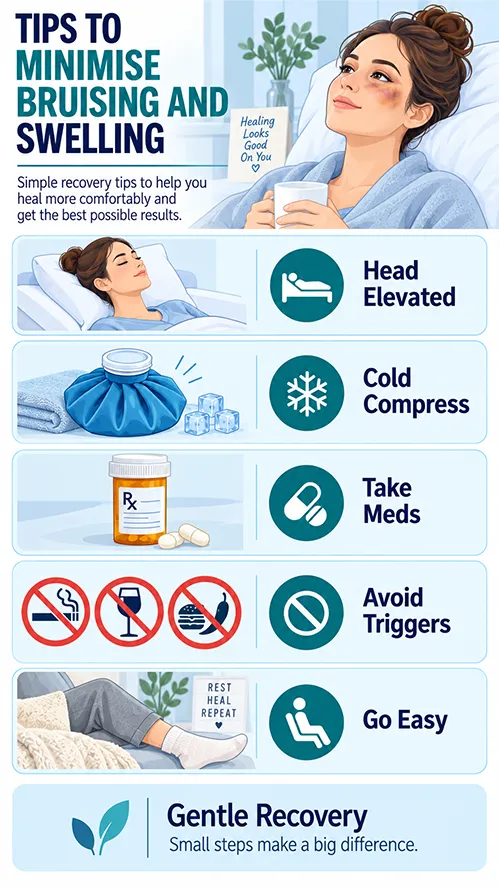
Tips to Minimise Bruising and Swelling
1. Elevate Your Head While Resting
Keeping the head elevated – especially during sleep – can significantly reduce swelling by promoting lymphatic drainage. Elevation helps prevent the pooling of fluid in facial tissues, reducing puffiness and pressure on healing structures.
Melbourne ENT recommends using an extra pillow or wedge cushion to maintain a comfortable, upright position in bed for the first week after surgery. Avoiding flat positions or sudden movements helps stabilise the nasal area and prevent excess fluid accumulation. Resting in a semi-reclined position during the day, such as in a recliner, can also be beneficial during the early recovery phase.
2. Use Cold Compresses Early
Applying cold compresses or ice packs around the eyes and cheeks (not directly on the nose) during the first 48 hours can constrict blood vessels and limit bruising. Cooling also helps numb the area and reduce discomfort.
Dr Stephen Kleid advises patients to use a clean cloth or gel mask in short 10-15 minute intervals several times a day. Care should be taken to avoid frostbite or excessive cold exposure, especially with ice directly applied. Alternating between cold application and brief rest periods prevents skin irritation and enhances comfort. After the first 48 hours, warm compresses may be recommended to promote circulation and facilitate the resolution of bruising.
3. Follow Prescribed Medication Plans
Pain relief and anti-inflammatory medications can help control swelling and discomfort. Melbourne ENT ensures that every patient receives a customised medication plan, which may include paracetamol, ibuprofen (if appropriate), and nasal sprays to reduce congestion.
Dr Simon Braham carefully reviews each patient’s health status before prescribing medications and remains available for follow-up adjustments. Antibiotics may also be provided if there is any risk of infection. Take medications only as directed by your surgeon, and discuss any over-the-counter medicines or supplements before using them.
4. Avoid Smoking, Alcohol, and Certain Foods
Tobacco and alcohol slow healing and may exacerbate swelling and bruising by impairing circulation. These substances can also increase the risk of infection and poor wound healing.
Melbourne ENT encourages a healthy, balanced diet rich in vitamins C and A to promote tissue repair and collagen production. Recommended foods include leafy greens, citrus fruits, berries, carrots, and lean proteins. Salty and processed foods should be limited, as they can contribute to fluid retention and increased swelling. Patients are also advised to maintain consistent hydration to support lymphatic function and internal healing.
5. Minimise Physical Exertion
Strenuous activity, including exercise, bending, or lifting heavy objects, should be avoided for at least two weeks. Such actions can raise blood pressure and increase the risk of bleeding or prolonged swelling.
Dr Braham advises returning to regular activities only once cleared at a follow-up appointment. Gentle walks are usually safe and encouraged to maintain circulation and support general wellbeing. Activities like swimming, saunas, and high-impact sports should be postponed for at least a month or more, depending on surgical complexity. Melbourne ENT guides each patient on personalised timelines for returning to work, travel, and exercise.
DOWNLOAD GUIDE
Considering Rhinoplasty surgery? Information is just one click away.
How Melbourne ENT Ensures a Smooth Recovery
Melbourne ENT provides postoperative instructions, follow-up appointments and individual advice based on the procedure performed and the patient’s recovery. Additional measures may be discussed where clinically appropriate.
Each recovery journey is supported by a combination of evidence-based practices and the personal experience of two highly skilled surgeons. Melbourne ENT takes pride in offering responsive care that adapts to the evolving needs of every patient.
Signs You’re Healing Well
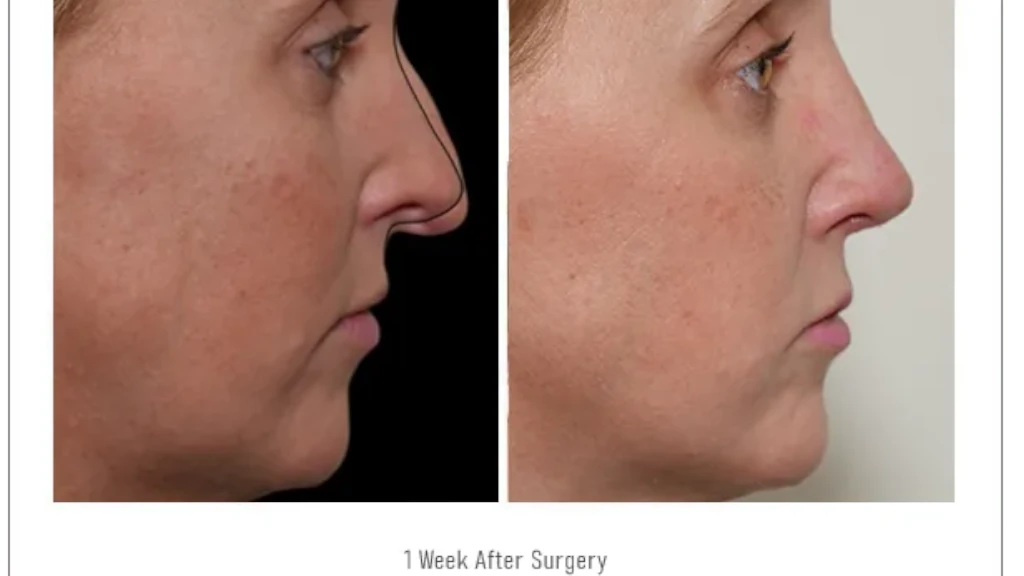
A gradual reduction in swelling, fading of bruises, and improved nasal breathing are signs of a healthy recovery. The nasal shape continues to refine for up to a year, with the tip often taking the longest to settle.
Minor asymmetry or residual puffiness is common and typically resolves with time. Patients should avoid self-assessment in the early weeks, as changes will occur steadily. Melbourne ENT provides reassurance and guidance throughout this journey, including photography comparisons and milestone check-ins to help patients appreciate their progress.
Our surgeons encourage open communication throughout recovery, allowing any concerns to be addressed promptly. It’s important to trust the process and remain consistent with follow-up appointments. Timely reviews by Dr Kleid or Dr Braham allow for intervention if necessary and ensure your progress is aligned with expectations.
We invite you to take the next step towards improved function and confidence. To learn more or book your consultation with Dr Kleid or Dr Braham, contact Melbourne ENT today.
Medicare Coverage for Rhinoplasty and Septoplasty
Medicare rebates may apply to some medically indicated nasal procedures where relevant MBS criteria are met. Eligibility depends on the procedure and individual clinical circumstances. See our ENT Medicare Item Numbers page for current information.

FAQs About Bruising and Swelling After Nasal Surgery
How can I tell the difference between normal swelling and a potential complication?
Normal swelling typically decreases gradually over days to weeks. If you notice one-sided swelling, increasing pain, redness, or fever, it may indicate an infection or hematoma, and you should contact Melbourne ENT immediately.
Does the type of anesthesia used affect how much swelling or bruising I experience?
Yes, in some cases. General anesthesia may contribute to more facial fluid retention than local anesthesia with sedation, although technique and individual factors play larger roles.
Will emotional stress or lack of sleep impact my post-surgery bruising and healing process?
Absolutely. Stress and poor sleep quality can hinder immune function, delay tissue repair, and potentially increase swelling. We encourage a calm, restful recovery environment.
Can certain supplements or vitamins actually worsen swelling if taken incorrectly after surgery?
Yes. While vitamins like C and A aid healing, some supplements, such as vitamin E, ginkgo biloba, or fish oil, may increase bleeding risks if not managed correctly. Always consult with your Melbourne ENT surgeon before taking any supplements.
Is it safe to use makeup or concealer to cover bruising, and if so, when can I start?
Generally, patients can start using makeup after the first week, once sutures are removed and the skin is no longer broken. Use only hypoallergenic products and consult with your surgeon during your follow-up visit.
How does skin tone or sensitivity influence how visible bruising may be after nasal surgery?
Individuals with fair skin may show more visible bruising, while those with sensitive skin may experience more irritation. However, skin care protocols can be adjusted accordingly to reduce these effects.
What role does hydration and fluid balance play in controlling swelling post-operatively?
Hydration supports lymphatic drainage and reduces fluid retention. Dehydration, on the other hand, can exacerbate inflammation. Drinking plenty of water and limiting salt intake supports optimal healing.
Medical References
- Reducing Periorbital Edema and Ecchymosis after Rhinoplasty https://pubmed.ncbi.nlm.nih.gov/29409099/
- Reducing Postoperative Swelling, Edema, and Ecchymosis after Open Rhinoplasty Using Intranasal Drainage https://pubmed.ncbi.nlm.nih.gov/36918148/
- Improving Postsurgical Management of Rhinoplasty https://pubmed.ncbi.nlm.nih.gov/39909395/
- DDAVP in the Reduction of Post-operative Ecchymosis in Rhinoplasty https://trial.medpath.com/clinical-trial/e89a4a2c0cd891ea/prospective-randomized-trial-ddavp-reduction-post-operative-ecchymosis-rhinoplasty
- Testing the effects of long-acting steroids in edema and ecchymosis after rhinoplasty https://pmc.ncbi.nlm.nih.gov/articles/PMC4116320/
- Care Instructions After Rhinoplasty – University of Michigan https://www.med.umich.edu/1libr/Surgery/PlasticSurgeryPeds/PedsPlas-RhinoplastySurgery.pdf
- Septo/Rhinoplasty (Nose Surgery) Post-Operative Instructions – Michigan Medicine https://www.med.umich.edu/1libr/OTO/Rhinoplasty.pdf
Further Reading
- Read Melbourne ENT’s Procedure Page on Rhinoplasty
- Read Melbourne ENT’s Procedure Page on Septoplasty
- Read Melbourne ENT’s Resources Page on Recovery After Nasal Surgery
- Read Melbourne ENT’s Resources Page on Risks and Complications of ENT Surgery
- Read Melbourne ENT’s Resources Page on 11 Top Tips for Recovery After Rhinoplasty
- Read Melbourne ENT’s Blog on Nasal Irrigation Techniques
- Read Melbourne ENT’s Procedure Page on Airway Rhinoplasty