


Revision rhinoplasty, also called secondary rhinoplasty, is surgery considered after a previous rhinoplasty, septorhinoplasty or other nasal operation. It may be discussed when a patient has ongoing concerns about nasal breathing, nasal structure, appearance-related changes, or healing after earlier nose surgery.
At Melbourne ENT, Dr Stephen Kleid and Dr Simon Braham assess both nasal function and nasal structure before discussing whether further treatment is appropriate. This includes looking at the nasal airway, septum, turbinates, nasal valves, cartilage support, skin thickness, scar tissue, previous surgical changes and the patient’s goals.
Patients may seek assessment for concerns such as:
- Ongoing nasal blockage or difficulty breathing through the nose
- Nasal asymmetry, crookedness or structural collapse after previous surgery
- Concerns about the nasal bridge, tip, nostrils or sidewalls
- Scar tissue, healing concerns or changes after earlier rhinoplasty
- Uncertainty about whether further surgery is appropriate or realistic
At A Glance
Revision rhinoplasty is usually more complex than first-time rhinoplasty because the nose has already been operated on. Previous surgery may have changed the cartilage, bone, skin, soft tissue, septum, nasal valves and internal airway.
The purpose of consultation is to understand the concern, assess nasal function and structure, and discuss whether further treatment is appropriate. In some cases, surgery may be considered. In other cases, observation, medical treatment, further healing time, or no further surgery may be more appropriate.
Key Points:
- Procedure: Revision rhinoplasty, also called secondary rhinoplasty
- Purpose: To assess nasal function, structure and appearance-related concerns after previous nose surgery
- Common Concerns: Nasal blockage, asymmetry, crookedness, valve collapse, tip changes, bridge irregularity or nostril asymmetry
- Timing: Many patients are advised to wait until healing has stabilised, often around 12 months or longer
- Important Note: Outcomes vary between patients and cannot be guaranteed
What Is Revision Rhinoplasty, And How Is It Different From My First Nose Surgery?
Revision rhinoplasty is further nasal surgery performed after previous rhinoplasty, septorhinoplasty or another operation involving the nose. It may be considered when there are ongoing breathing symptoms, structural concerns, or appearance-related concerns after earlier surgery.
It differs from first-time rhinoplasty because the original nasal anatomy may already have been altered. Scar tissue, reduced cartilage support, previous grafts, weakened nasal valves, skin thickness and healing patterns can all affect what is possible.
Revision rhinoplasty may involve assessment of:
- The septum and internal nasal airway
- The nasal valves and areas of possible collapse
- The nasal bridge, tip, nostrils and sidewalls
- Previous grafts, implants or areas of over-reduction
- Whether further surgery is likely to be safe and appropriate
DOWNLOAD GUIDE
Considering Rhinoplasty surgery? Information is just one click away.
Why Am I Still Concerned About My Nose After Rhinoplasty?
There are many reasons a patient may still have concerns after previous nose surgery. Some concerns relate to healing, swelling, scar tissue or changes that occur gradually over time. Others may relate to remaining structural issues, airway obstruction, over-correction, under-correction, trauma, or the limitations of the original procedure.
A careful assessment is needed before deciding whether revision rhinoplasty is appropriate. Not every concern can be corrected surgically, and further surgery can carry additional risks because of previous changes to the nose.
Patients may seek assessment for:
- A nose that appears crooked, asymmetric or structurally unsupported
- Changes to the nasal bridge, tip, nostrils or sidewalls
- Ongoing or new nasal blockage after previous surgery
- Concerns about scar tissue, swelling or healing
- A wish to understand realistic options after an earlier procedure
Can Revision Rhinoplasty Address Both Breathing And Appearance Concerns?
In some cases, revision rhinoplasty may be considered for both breathing and appearance-related concerns. For example, nasal valve collapse may affect airflow and also change the appearance of the nostril or sidewall of the nose.
The treatment plan depends on the patient’s anatomy, symptoms, previous surgery and goals. It is important to balance nasal appearance with airway function, because changes to the structure of the nose can affect breathing.
Assessment may include:
- Whether the concern is functional, appearance-related or both
- Whether the septum, turbinates or nasal valves are involved
- Whether cartilage support has been weakened
- Whether the patient’s goals are realistic
- Whether surgery, medical treatment, observation or another option is more appropriate
Why Is Revision Rhinoplasty More Complex Than Primary Rhinoplasty?
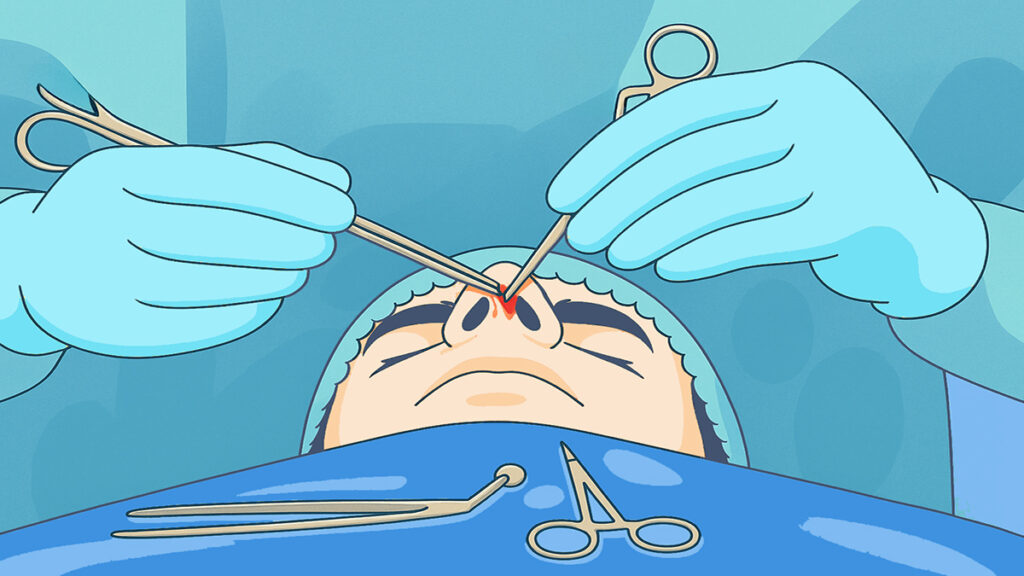
Revision rhinoplasty is generally more complex because the nose has already undergone surgery. The surgeon may need to work through scar tissue, changed anatomy, reduced cartilage, previous grafts, weakened support or altered nasal skin and soft tissue.
These factors can limit what is safely achievable. Healing may also be less predictable than in first-time rhinoplasty, and swelling may take longer to settle.
Factors that can increase complexity include:
- Scar tissue from previous surgery
- Reduced septal cartilage available for grafting
- Weakened nasal bridge, tip or sidewall support
- Previous over-reduction or under-correction
- Existing nasal obstruction or valve collapse
Am I Suitable For Revision Rhinoplasty?
Suitability for revision rhinoplasty can only be assessed during consultation. A patient may be suitable if there is a clear functional or structural concern, healing from previous surgery has stabilised, and the potential benefits of surgery are considered to outweigh the risks.
Some patients may be advised not to proceed with further surgery. This may occur if the concern is unlikely to improve with surgery, if healing is still progressing, if the risks are too high, or if expectations are not realistic.
Suitability depends on:
- The reason for the concern
- The amount of time since previous surgery
- Nasal structure, cartilage support and skin thickness
- Breathing symptoms and airway findings
- General health, expectations and understanding of risks
How Long Should I Wait Before Having Revision Rhinoplasty?
Many patients are advised to wait until healing from the first operation has stabilised before considering revision rhinoplasty. In many cases, this may be around 12 months or longer, although the appropriate timing depends on the individual patient and the concern being assessed.
Some breathing problems or structural concerns may need earlier assessment. However, early assessment does not always mean early surgery is appropriate. In some cases, it may be safer to wait, monitor healing, or treat inflammation before making a surgical decision.
Timing depends on:
- How long it has been since the previous operation
- Whether swelling and scar tissue are still changing
- Whether the concern is functional, structural or appearance-related
- Whether there is significant nasal obstruction
- Whether further surgery can be planned safely
What Happens At My Revision Rhinoplasty Consultation?
A revision rhinoplasty consultation usually begins with a discussion about previous surgery, current symptoms and the patient’s main concerns. It is helpful to understand what was done previously, what has changed since surgery, and whether breathing symptoms are present.
The surgeon may examine the outside and inside of the nose, assess nasal airflow, look at the septum, turbinates and nasal valves, and discuss whether further information is needed. Previous operation reports, photographs or imaging may be helpful in some cases.
What Surgical Options Might Be Considered For My Revision Rhinoplasty?
The surgical options depend on the cause of the concern. Some patients may need airway-focused treatment, some may need structural support, and others may need changes to the nasal bridge, tip, nostrils or sidewalls.
The appropriate approach can only be discussed after examination. Revision rhinoplasty is individual, and the same technique is not suitable for every patient.
Options may include:
- Septal correction or structural support
- Nasal valve repair or reinforcement
- Cartilage grafting, where clinically appropriate
- Tip, bridge, nostril or sidewall correction
- Turbinate surgery, if clinically indicated
What Are The Risks Of Revision Rhinoplasty?
All surgery carries risks. Revision rhinoplasty can carry additional complexity because previous surgery may have changed the nasal structure, cartilage, skin, soft tissue and airway.
Patients should understand the potential risks, limitations and alternatives before deciding whether to proceed. The risks relevant to each patient will be discussed during consultation as part of the informed consent process.
Possible risks include:
- Bleeding, infection, swelling, bruising or scarring
- Persistent or recurrent nasal obstruction
- Ongoing asymmetry or dissatisfaction with appearance
- Numbness, altered sensation or changes in smell
- Need for further treatment or additional surgery

What Is Recovery Like After Revision Rhinoplasty?
Recovery after nasal surgery varies between patients. Swelling and bruising may occur after revision rhinoplasty, and the nose may continue to change for many months as healing progresses. Revision cases can take longer to settle than first-time rhinoplasty.
Follow-up appointments are usually needed to review healing and nasal function. Return to work, study, exercise and normal activities depends on the type of surgery performed and the individual recovery.
Recovery may involve:
- A nasal splint, dressing or internal support, depending on the procedure
- Swelling or bruising around the nose and eyes
- Temporary nasal blockage during early healing
- Restrictions on exercise and contact activities
- Ongoing review as swelling gradually settles
What Outcomes And Limitations Should I Understand?
The aim of revision rhinoplasty is to address nasal function, structure and/or appearance-related concerns where this can be done safely and realistically. Outcomes vary between patients and depend on anatomy, previous surgery, healing, skin thickness, scar tissue and cartilage support.
Revision rhinoplasty cannot guarantee a particular appearance, a perfectly symmetrical result, or complete resolution of breathing symptoms. Some concerns may improve but not disappear completely, and some patients may need further treatment.
Important limitations include:
- Perfect symmetry is not realistic
- Previous surgery can limit what is achievable
- Healing may take many months
- Breathing and appearance goals need to be balanced
- Results vary between patients and cannot be guaranteed
How Much Does Revision Rhinoplasty Cost In Melbourne?

The cost of revision rhinoplasty in Melbourne varies depending on the complexity of the case, the type of surgery required, whether cartilage grafting is needed, hospital fees, anaesthetic fees and whether any functional components are involved.
A written estimate can usually only be provided after consultation. This is because the surgeon first needs to assess the patient’s symptoms, nasal structure, previous surgery and likely treatment plan.
Costs may include:
- Surgeon’s fee
- Anaesthetist’s fee
- Hospital or theatre fees
- Follow-up care
- Additional costs related to grafting, imaging or functional assessment where relevant
Who Will Assess My Revision Rhinoplasty At Melbourne ENT?
At Melbourne ENT, revision rhinoplasty assessment may be performed by Dr Stephen Kleid or Dr Simon Braham. Both are specialist ENT surgeons who assess nasal function, nasal structure and previous surgical changes when considering revision nasal surgery.
The consultation focuses on understanding the patient’s symptoms and goals, examining the airway and nasal structure, and discussing whether further surgery is appropriate. Where surgery is not recommended, other options or further review may be discussed.
Assessment may include:
- Review of breathing and structural concerns
- ENT examination of the nose and airway
- Discussion of previous surgery and healing
- Review of realistic options and limitations
- Explanation of risks, recovery and alternatives
Why Should I See An ENT Surgeon For Revision Rhinoplasty?
For patients with nasal obstruction or structural concerns, assessment by an ENT surgeon can help identify whether the septum, turbinates, nasal valves or previous surgical changes are contributing to symptoms.
An ENT assessment does not mean every patient needs surgery. It helps clarify whether symptoms are related to airway structure, inflammation, allergy, scarring, previous surgery, or another cause.
An ENT assessment may consider:
- Septal deviation or septal weakness
- Nasal valve collapse or narrowing
- Turbinate enlargement
- Scar tissue or internal narrowing
- The relationship between nasal structure and breathing function
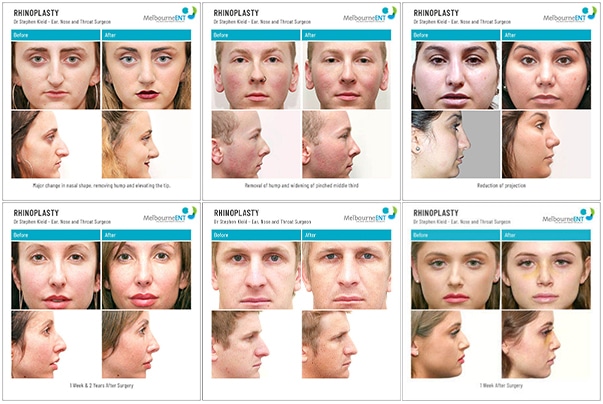
Rhinoplasty Before and After Gallery
See more of Dr Stephen Kleid’s previous nose surgery patients before and after surgery
Photo Disclaimer
The before and after photos displayed on our website/s or in our office serve solely for informational purposes. They are intended to give you an understanding of the potential outcomes that can be achieved through plastic and cosmetic surgery. However, it is important to note that individual results may vary, and the results of any surgical procedure cannot be guaranteed. The photos are not intended as a promise or guarantee of specific results, but rather as a visual tool to illustrate the possibilities. Please keep in mind that each person is unique, and the outcome of surgery will depend on various factors including overall health, body type, and individual healing ability. During your consultation, your Melbourne ENT surgeon will thoroughly assess your specific circumstances and provide an honest and realistic evaluation of what you can expect from the procedure. All surgery has risks and potential complications – these will be covered in detail during your consultation.
Examples of previous surgical outcomes may be useful for general education, but they should not be interpreted as a promise that another patient will achieve a similar result. Every patient has different anatomy, skin thickness, cartilage support, previous surgery, healing and treatment goals.
What Questions Should I Ask Before Deciding On Revision Rhinoplasty?
Revision rhinoplasty is a significant decision. Patients should feel comfortable asking questions about risks, benefits, limitations, alternatives, recovery, costs and expected follow-up before deciding whether to proceed.
It may be helpful to write down questions before the appointment. This can help clarify whether revision surgery is appropriate and whether the expected outcome is realistic.
Questions to ask include:
- What is the likely cause of my concern?
- Is my concern functional, appearance-related or both?
- What are the risks in my specific case?
- What outcomes are realistic for me?
- What are my alternatives to further surgery?

What Are My Alternatives To Revision Rhinoplasty?
Revision rhinoplasty is not the only option for every patient. In some cases, the safest or most appropriate option may be to wait longer, treat inflammation or allergy, monitor symptoms, or avoid further surgery.
Alternatives depend on the concern. For example, a patient with nasal blockage related to rhinitis may need medical treatment, while a patient whose nose is still swollen after recent surgery may need more healing time before a surgical decision can be made.
Alternatives may include:
- Observation while swelling continues to settle
- Medical treatment for rhinitis, allergy or inflammation
- Nasal sprays or other non-surgical management where appropriate
- Further review after healing has stabilised
- Seeking another opinion before deciding on surgery

Revision Rhinoplasty FAQs
Why does my nose look different in photos compared with the mirror after rhinoplasty?
Lighting, camera angle, lens distortion and facial expression can make nasal asymmetry or swelling appear more noticeable in photos. A consultation can help determine whether the concern is related to healing, structure, or photographic distortion.
Can scar tissue inside my nose affect my breathing after rhinoplasty?
Yes, scar tissue may contribute to internal narrowing or stiffness in some patients. An ENT assessment can help determine whether scar tissue, nasal valve narrowing, septal issues, turbinate enlargement or inflammation is contributing to symptoms.
Why does my nose feel stiff or tight after previous rhinoplasty?
Stiffness can occur because of scar tissue, altered cartilage support, swelling or the way tissues have healed after surgery. Revision surgery is not always needed, and the cause should be assessed before considering treatment.
Can a small-looking nasal change still affect breathing?
Yes, even subtle changes to the nasal valves, septum or cartilage support can affect airflow in some patients. This is why functional assessment is important when breathing symptoms are present.
Why might my surgeon ask for my old operation report?
An operation report can show what was changed during the previous surgery, including whether cartilage was removed, grafted or repositioned. This can help with planning and may reduce uncertainty during revision assessment.
Can allergy or rhinitis make me think my rhinoplasty has failed?
Yes, inflammation from allergy or rhinitis can cause blockage, congestion and pressure that may feel structural. Medical treatment may be recommended before considering whether revision surgery is appropriate.
Why might my nose continue changing years after rhinoplasty?
The nose can change over time because of ageing, scar tissue behaviour, skin thickness, cartilage support, trauma or previous surgical changes. A review can help determine whether the change is structural, functional or part of normal tissue change.
Can revision rhinoplasty make breathing worse?
As with any nasal surgery, there is a risk that breathing may not improve or could worsen. This is one reason careful airway assessment, risk discussion and realistic planning are important before surgery.
Why is perfect nostril symmetry difficult to achieve?
Nostrils are affected by cartilage shape, skin thickness, scar tissue, facial asymmetry and previous surgery. Revision rhinoplasty may aim to improve symmetry where realistic, but perfect symmetry cannot be guaranteed.
Can stress or poor sleep affect how I feel about my rhinoplasty result?
Stress, poor sleep and anxiety can affect how noticeable symptoms or appearance concerns feel day to day. These factors do not mean the concern is not real, but they are worth discussing during consultation so expectations and decision-making are considered carefully.
Medical References
- Suresh R, Doval AF, Newstrom E, Pham T, Alford EL. Primary and Revision Rhinoplasty: A Single Surgeon Experience and Patient Satisfaction. Plast Reconstr Surg Glob Open. 2021 https://pmc.ncbi.nlm.nih.gov/articles/PMC8432634/
- Bouaoud J, Loustau M, Belloc JB. Functional and Aesthetic Factors Associated with Revision of Rhinoplasty. Plast Reconstr Surg Glob Open. 2018 Sep 5;6(9):e1884. https://pmc.ncbi.nlm.nih.gov/articles/PMC6191217/
- Spataro E, Piccirillo JF, Kallogjeri D, Branham GH, Desai SC. Revision Rates and Risk Factors of 175 842 Patients Undergoing Septorhinoplasty. JAMA Facial Plast Surg. 2016 https://pmc.ncbi.nlm.nih.gov/articles/PMC5600890/
How Do I Book A Revision Rhinoplasty Consultation?
To discuss revision rhinoplasty, patients can book a consultation with Dr Stephen Kleid or Dr Simon Braham at Melbourne ENT. During consultation, the surgeon will assess nasal function, nasal structure, previous surgery, goals, risks and whether revision surgery is appropriate.
A GP or specialist referral may be required. It may be helpful to bring previous operation reports, photographs or relevant medical information to the appointment.
To prepare for your consultation:
- Bring your referral, if required
- Bring previous operation reports, if available
- Write down your main breathing and appearance-related concerns
- List any medications, allergies or previous complications
- Prepare questions about risks, recovery, costs and realistic outcomes
Further Reading
- Read more about Rhinoplasty Melbourne – Nose Reshaping Surgery
- Read more about Individualised Rhinoplasty for Asian Facial Structures
- Read more about Rhinoplasty For Men – Nose Reshaping Surgery
- Read more about Rhinoplasty For Women Melbourne – Also Known As Cosmetic Nose Surgery
- Read more about Alarplasty Melbourne – Alar Base Reduction