

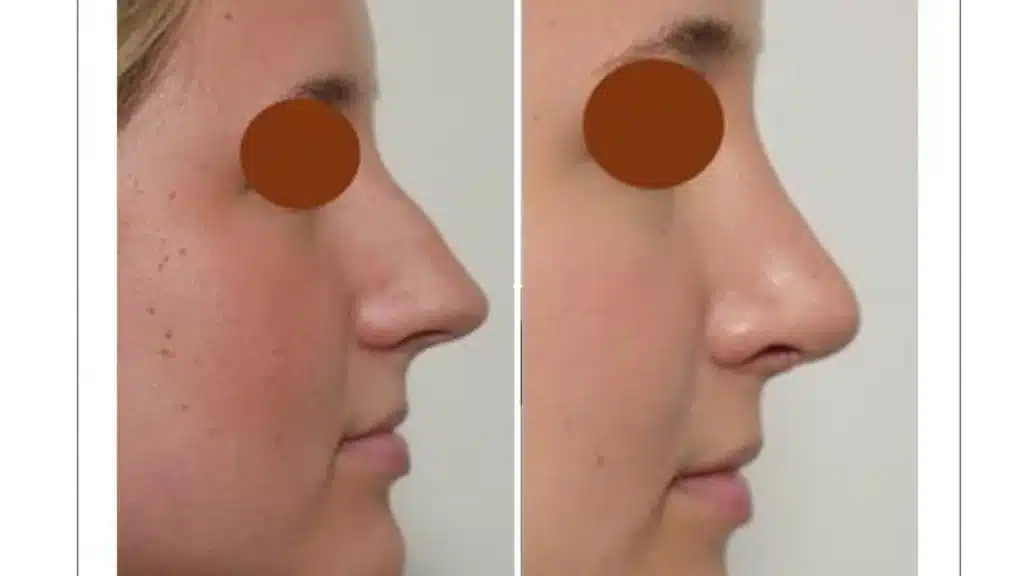
Functional Rhinoplasty is designed to improve the way the nose functions. For many patients, the main goal is not to change the appearance of the nose, but to breathe more comfortably through it.
At Melbourne ENT in St Kilda East, Victoria, patients often ask how long the results of Functional Rhinoplasty are expected to last. This is an important question for adults, parents and younger patients considering surgery for nasal obstruction, mouth breathing, sleep disturbance or difficulty breathing during exercise.
In most cases, Functional Rhinoplasty is intended to provide long-lasting improvement. When the underlying structural issue is corrected, such as a deviated septum, nasal valve collapse or weakness in the nasal framework, results can last for many years. However, no surgical result can be guaranteed forever. The nose continues to age, heal and respond to injury, allergies and inflammation.
Dr Simon Braham, ENT and Head & Neck Surgeon, provides careful assessment and personalised treatment planning at Melbourne ENT. His approach focuses on identifying the true cause of nasal obstruction before recommending surgery.
What Is Functional Rhinoplasty?
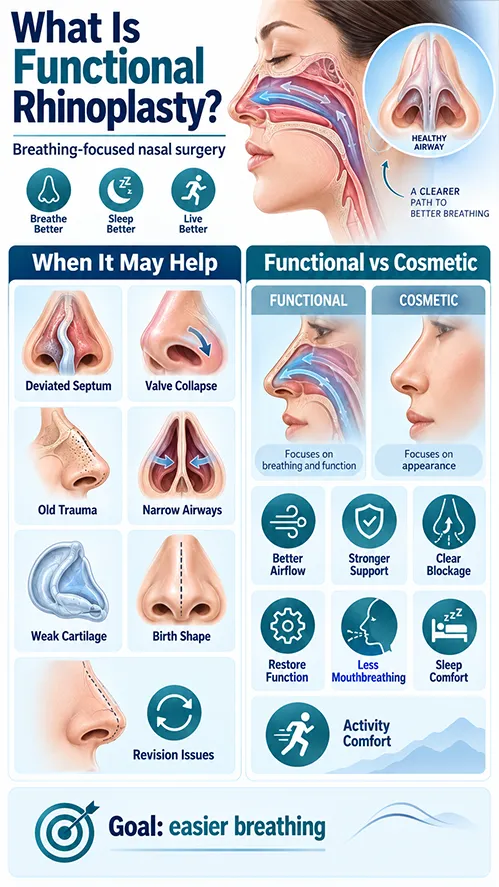
Functional Rhinoplasty is nose surgery performed to improve nasal airflow. It may involve reshaping or supporting the internal and external structures of the nose so air can pass more freely.
The procedure may be recommended when nasal obstruction is caused by:
- A deviated septum
- Nasal valve collapse
- Previous nasal trauma
- Narrow nasal passages
- Weak nasal cartilage
- Congenital nasal shape issues
- Structural breathing problems after previous surgery
Unlike cosmetic rhinoplasty, Functional Rhinoplasty is medically focused. The main purpose is to improve breathing, although some patients may also notice changes in nasal shape when structural correction is performed.
At Melbourne ENT, Functional Rhinoplasty is assessed as part of broader ENT care. This means the nose, sinuses, airway and sleep symptoms may all be considered when planning treatment.
How Functional Rhinoplasty Differs from Cosmetic Rhinoplasty
Cosmetic rhinoplasty is usually performed to alter the appearance of the nose. Functional Rhinoplasty is performed to improve breathing.
There can be overlap between the two. For example, a crooked nose from an old injury may affect both appearance and airflow. In this situation, surgery may improve nasal shape while also correcting obstruction.
The key difference is the purpose of surgery. Functional Rhinoplasty is focused on:
- Improving nasal airflow
- Supporting weak nasal structures
- Correcting obstruction
- Restoring nasal function
- Reducing mouth breathing caused by blocked nasal passages
- Improving comfort during sleep and physical activity
Dr Simon Braham, ENT and Head & Neck Surgeon, carefully explains whether Functional Rhinoplasty, septoplasty, turbinoplasty or another treatment may be most suitable.
Is Functional Rhinoplasty Designed to Last?
Yes, Functional Rhinoplasty is designed to provide durable structural improvement. Once cartilage, bone or nasal support structures are corrected, the repaired framework is intended to remain stable after healing.
Many patients experience long-term improvement in nasal breathing. However, results can vary depending on the complexity of the original problem and how the nose heals.
Long-term results may be influenced by:
- Natural ageing
- Skin thickness
- Cartilage strength
- Scar tissue formation
- Allergies or sinus inflammation
- Previous nasal surgery
- Future injury to the nose
- Smoking or poor wound healing
Melbourne ENT places strong emphasis on realistic expectations. Functional Rhinoplasty can provide significant improvement, but it does not stop the nose from ageing or prevent future trauma.
Understanding Long-Term Structural Changes
The nose is made up of cartilage, bone, lining and soft tissue. These structures work together to maintain shape and airflow. If one part becomes crooked, narrow or weak, breathing may become difficult.
Functional Rhinoplasty may involve supporting the nasal valves, straightening the septum, improving nasal alignment or strengthening weak cartilage. These changes are intended to improve airflow and reduce obstruction.
When the nose heals well, the structural improvement can be long lasting. This is why careful planning is essential. The best outcomes often come from identifying the exact cause of obstruction before surgery.
Why Every Patient Is Different
No two patients heal in the same way. Some people have flexible cartilage, while others have stronger or thicker tissue. Some have never had nasal surgery, while others are seeking help after previous trauma or revision surgery.
Factors that can affect results include:
- Age
- General health
- Nasal anatomy
- History of injury
- Previous surgery
- Allergies
- Sinus disease
- The severity of obstruction
At Melbourne ENT, patients receive an individualised assessment rather than a one-size-fits-all recommendation. This helps ensure the treatment plan is matched to the patient’s symptoms, anatomy and goals.
What Factors Influence How Long Functional Rhinoplasty Results Last?
Several factors can influence how long results last after Functional Rhinoplasty. Some are related to surgery, while others depend on healing and lifestyle.
✓ Surgical Technique
Surgical technique plays a major role in long-term success. Functional Rhinoplasty requires detailed knowledge of nasal airflow, nasal support and airway anatomy.
A careful technique helps preserve strength and stability while improving airflow. Poor support can lead to persistent or recurrent obstruction, which is why choosing an experienced ENT surgeon is important.
✓ Severity of the Original Nasal Obstruction
Mild obstruction may require less complex correction. Severe obstruction may involve multiple structures, including the septum, nasal valves and turbinates.
More complex cases can still achieve meaningful improvement, but they may require more detailed planning and longer healing.
✓ Nasal Valve Strength
The nasal valves are narrow areas inside the nose that strongly affect airflow. If these areas collapse when breathing in, the nose may feel blocked even if the septum is straight.
Functional Rhinoplasty can help support the nasal valves so they remain more open during breathing.
✓ Septal Deviation
A deviated septum can block one or both sides of the nose. In some patients, septoplasty is performed with Functional Rhinoplasty to improve airflow.
Correcting the septum can also help support the nasal framework, depending on the patient’s anatomy.
✓ Previous Nasal Injury
An old nasal fracture can continue to affect breathing years later. Trauma may cause a crooked septum, weakened cartilage or nasal valve collapse.
Patients who have had previous injuries may need correction of both internal and external nasal structures.
✓ Chronic Allergies and Sinus Conditions
Functional Rhinoplasty corrects structure, but it does not cure allergies. If the nasal lining remains inflamed, patients may still experience congestion.
Some patients benefit from combining surgery with medical treatment, such as nasal sprays, allergy care or sinus management.
✓ Future Nasal Trauma
A new injury after surgery can affect the result. Contact sports, accidents or facial trauma may shift the nasal framework and cause new blockage.
Patients are usually advised to protect the nose carefully during recovery and follow their surgeon’s instructions before returning to sport.
DOWNLOAD GUIDE
Considering Rhinoplasty surgery? Information is just one click away.
What to Expect During Recovery
Recovery after Functional Rhinoplasty is gradual. Breathing improvement may not be immediate because swelling inside the nose can temporarily block airflow.
In the early recovery period, patients may experience:
- Swelling
- Bruising
- Nasal congestion
- Mild discomfort
- Pressure around the nose
- Temporary mouth breathing
- Reduced sense of smell
These symptoms usually improve as healing progresses.
✓ The First Few Weeks
During the first few weeks, the nose may feel blocked even though the structural correction has been completed. This is usually due to internal swelling.
Patients may be advised to avoid:
- Strenuous exercise
- Nose blowing
- Contact sports
- Heavy lifting
- Pressure on the nose
- Smoking
Follow-up appointments at Melbourne ENT help monitor healing and ensure recovery is progressing as expected.
✓ The First Few Months
As swelling reduces, breathing often improves gradually. Some patients notice improvement earlier, while others need more time.
The internal tissues continue to settle over several months. It is common for one side to feel clearer than the other during healing.
When Are Results Considered Final?
Many patients feel better within the first few months, but final results can take up to 12 months to fully settle. In complex or revision cases, healing may take longer.
This is why patience is important. The final result should not be judged too early.
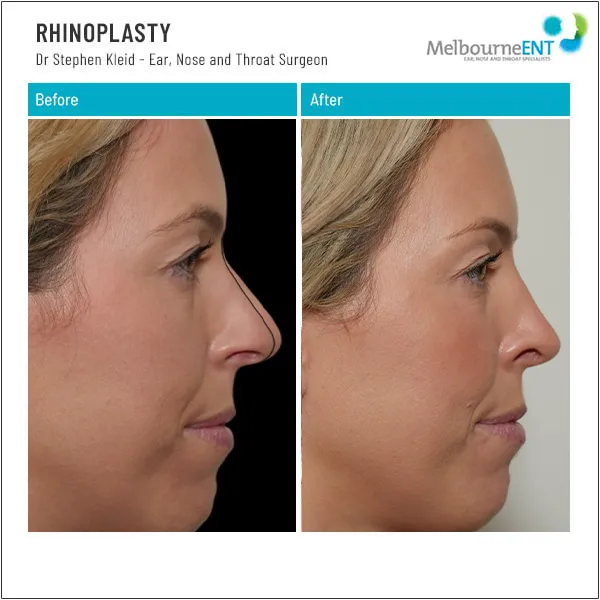
Rhinoplasty Before and After Gallery
See more of Dr Stephen Kleid’s previous nose surgery patients before and after surgery
Can Functional Rhinoplasty Improve Sleep and Daily Breathing?
Functional Rhinoplasty may improve daily comfort for patients whose symptoms are caused by structural nasal obstruction.
Improved nasal airflow may help with:
- Easier breathing through the nose
- Less mouth breathing
- More comfortable exercise
- Better airflow during sleep
- Reduced nighttime nasal blockage
- Improved tolerance of nasal sprays or other treatments
Dr Simon Braham has a particular interest in airway and sleep-related surgery. At Melbourne ENT, nasal obstruction may be assessed alongside snoring, mouth breathing and sleep quality concerns.
✓ Snoring and Sleep Quality
A blocked nose can contribute to mouth breathing and snoring. Functional Rhinoplasty may help some patients breathe more comfortably at night when nasal obstruction is part of the problem.
However, snoring and sleep apnoea can have many causes. Nasal surgery may be one part of a broader treatment plan rather than the only treatment needed.
When Might Additional Treatment Be Needed?
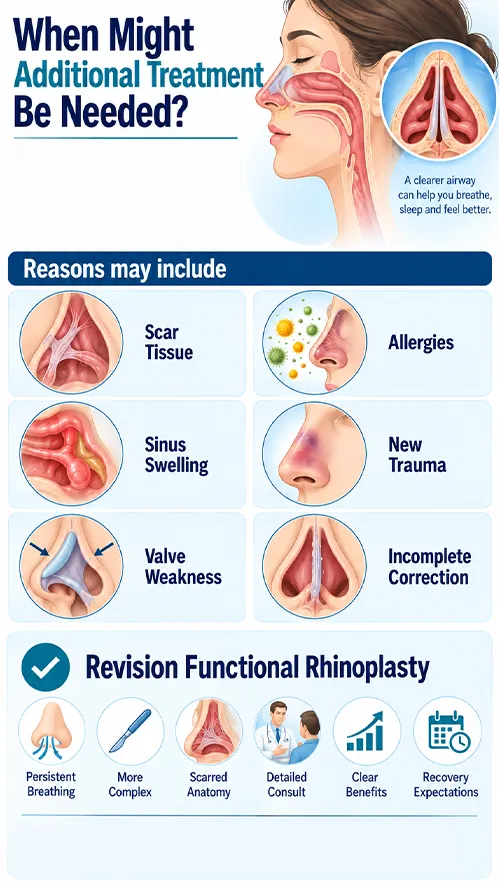
Most patients do not expect to need further surgery. However, additional treatment may occasionally be required if symptoms persist or return.
Reasons may include:
- Scar tissue
- Ongoing allergies
- Sinus inflammation
- New nasal trauma
- Persistent nasal valve weakness
- Incomplete correction of the original obstruction
- Changes during healing
Melbourne ENT carefully investigates persistent symptoms before recommending further treatment.
✓ Revision Functional Rhinoplasty
Revision Functional Rhinoplasty may be considered if breathing problems remain after previous nasal surgery. Revision procedures are usually more complex because scar tissue and altered anatomy can make surgery less predictable.
A detailed consultation is important before revision surgery. Patients need clear information about likely benefits, limitations and recovery expectations.
Functional Rhinoplasty for Children and Teenagers
Functional Rhinoplasty may sometimes be considered for younger patients, but the decision requires careful planning. Children and teenagers are still growing, so timing is important.
Surgery may be discussed when nasal obstruction affects:
- Sleep
- Breathing
- Exercise
- School concentration
- Mouth breathing
- Quality of life
- Recovery after nasal trauma
Not every child with nasal blockage needs surgery. Some may benefit from medical treatment, allergy management or observation.
Melbourne ENT provides ENT care for adults and children across Melbourne and surrounding areas. Parents are given clear information about treatment options, risks and expected outcomes.
Why Choosing an Experienced ENT Surgeon Matters
Functional Rhinoplasty requires more than changing the shape of the nose. It requires a detailed understanding of nasal airflow, airway obstruction and long-term structural support.
Dr Simon Braham, ENT and Head & Neck Surgeon, trained in Melbourne, New York and Boston. He has a special interest in nasal, sinus, snoring and sleep-related conditions.
He holds appointments at Masada Private Hospital and the Royal Victorian Eye and Ear Hospital. Working alongside Dr Stephen Kleid, Melbourne ENT provides patients with extensive combined ENT experience in Melbourne, Victoria.
A thorough assessment may include:
- Medical history
- Symptom review
- Nasal examination
- Nasal endoscopy
- Imaging if appropriate
- Discussion of non-surgical and surgical options
This approach helps ensure Functional Rhinoplasty is recommended only when it is likely to address the cause of nasal obstruction.
Medicare Coverage for Functional Rhinoplasty and Related Nasal Surgery
Medicare may provide a rebate for some functional nasal procedures when specific medical criteria are met. This may apply when surgery is performed to treat airway obstruction or significant structural nasal deformity.
Medicare does not generally cover surgery performed only for cosmetic reasons.
For Functional Rhinoplasty, septoplasty or related nasal procedures, eligibility depends on:
- Symptoms
- Examination findings
- Medical documentation
- Relevant Medicare Benefits Schedule item numbers
- Whether the procedure is considered medically necessary
Private health insurance may also contribute depending on the patient’s policy and level of hospital cover. Patients should confirm details with Medicare, their health fund and Melbourne ENT before surgery.
Why Melbourne Patients Choose Melbourne ENT
Patients choose Melbourne ENT because the practice offers specialist ENT care with a strong focus on nasal function, breathing and patient communication.
Melbourne ENT is located in St Kilda East, Victoria, and supports patients from Melbourne and surrounding areas.
Patients may choose Melbourne ENT for:
- Specialist ENT assessment
- Care for adults and children
- Clear explanation of treatment options
- Experience in nasal and sinus conditions
- Personalised treatment planning
- Careful post-operative follow-up
- A patient-first approach
Dr Simon Braham and Dr Stephen Kleid are known for careful diagnosis, clear communication and thoughtful patient care.

FAQs About Functional Rhinoplasty
Can Functional Rhinoplasty make breathing feel worse before it gets better?
Yes. It is common for the nose to feel more blocked during the early stages of recovery because of swelling inside the nasal passages. Although the structural problem has been corrected during surgery, the tissues need time to heal. As swelling gradually settles, most patients begin to notice steady improvement in nasal airflow.
If only one side of my nose feels blocked, could I still benefit from Functional Rhinoplasty?
Possibly. Many people experience obstruction on just one side because of a deviated septum, nasal valve narrowing or changes following a previous injury. Your ENT surgeon will examine both the internal and external structures of the nose to determine whether Functional Rhinoplasty may improve airflow.
Can Functional Rhinoplasty help if my nose looks straight but I still cannot breathe properly?
Yes. The outside appearance of the nose does not always show what is happening inside. A person can have a straight-looking nose but still have internal structural problems that restrict breathing.
Will seasonal allergies undo the results of Functional Rhinoplasty?
No. Functional Rhinoplasty corrects structural problems. Allergies affect the lining of the nasal passages. Allergy flare-ups can still cause temporary congestion, but they do not reverse the structural changes made during surgery.
Can Functional Rhinoplasty improve breathing during exercise even if I breathe well at rest?
It can. Some people only notice obstruction during exercise because breathing demand increases. Structural narrowing that feels mild at rest can become more noticeable during running, cycling or sport.
Is Functional Rhinoplasty still an option if I broke my nose many years ago?
Often, yes. Previous nasal trauma can affect the septum, nasal valves and nasal framework years after the injury. An ENT assessment can determine whether these structural changes are contributing to current breathing difficulties.
How do ENT surgeons decide whether Functional Rhinoplasty is the right treatment?
The decision is based on identifying the true cause of symptoms. Your ENT surgeon will consider your history, examination findings and, where appropriate, nasal endoscopy or imaging. Some patients benefit most from Functional Rhinoplasty, while others may need septoplasty, turbinoplasty, sinus treatment or a combination of procedures.
Medical References
- Long-term Results of Functional and Cosmetic Rhinosurgery for Nasal Obstruction https://pubmed.ncbi.nlm.nih.gov/1572267/
- Functional, Cosmetic, and Psychological Outcomes after Septorhinoplasty https://pmc.ncbi.nlm.nih.gov/articles/PMC11326470/
- Evaluation of Aesthetic and Functional Outcomes in Rhinoplasty Surgery: A Prospective Study https://www.sciencedirect.com/science/article/pii/S1808869416301392
- Evaluating Change in Quality of Life as Long-Term Outcome after Septo-/Rhinoplasty: A Systematic Review https://pubmed.ncbi.nlm.nih.gov/40727204/
- The Effect of Functional Rhinoplasty on Quality of Life: A Systematic Review and Meta-Analysis https://pubmed.ncbi.nlm.nih.gov/37173413/
- Dorsal Preservation versus Dorsal Reduction Rhinoplasty Techniques for Aesthetic and Functional Outcomes: A Systematic Review and Meta-Analysis https://pubmed.ncbi.nlm.nih.gov/40580891/
- Assessment of Functional and Aesthetic Results in Preservation and Structural Rhinoplasty https://pubmed.ncbi.nlm.nih.gov/41753117/
Take the Next Step Towards Better Breathing
Functional Rhinoplasty is designed to provide long-lasting improvement in nasal breathing for patients with structural nasal obstruction. Results can last for many years, especially when the cause of obstruction is accurately diagnosed and the nose heals well.
Every patient is different. Ageing, injury, allergies, scar tissue and previous surgery can all influence long-term results.
If you or your child is experiencing persistent nasal obstruction, mouth breathing, sleep disturbance or difficulty breathing through the nose, Melbourne ENT can provide a detailed assessment.
To learn more or book a consultation with Dr Simon Braham, ENT and Head & Neck Surgeon, check out the contact page.
Further Reading
- Read Dr Simon Braham’s Procedure Page on Septo-Rhinoplasty Melbourne
- Read Dr Simon Braham’s Procedure Page on Latera Nasal Implant Melbourne
- Read Dr Simon Braham’s Procedure Page on Sinus Surgery Melbourne
- Read Dr Simon Braham’s Resource on Risks and Complications of ENT Surgery
- Read Dr Simon Braham’s Resource on Nasal endoscopy assessment before nasal surgery
- Read Dr Simon Braham’s Blog about Using the NOSE Scale Score to Assess Nasal Obstruction
- Read Dr Simon Braham’s Blog about What Is a Cartilage Graft Rhinoplasty?
- Read Dr Simon Braham’s Blog about 11 Top Tips for Recovery After Rhinoplasty