


Winter in Melbourne often brings a wave of colds and flu. For most people, the cough that arrives with these infections slowly fades as the weeks pass. It can be worrying when your cough does not settle and you find yourself still clearing your throat or coughing through meetings, school pick up or a tram ride long after everyone else seems to be well again.
A lingering cough can be frustrating for patients and challenging for GPs. Your GP will usually be the first person to check whether the cough is related to your lungs, heart, medications or lifestyle factors such as smoking or vaping. Once those important possibilities have been explored, attention may turn to your nose, sinuses, throat and voice box. These areas sit within the scope of an Ear, Nose and Throat specialist, also known as an ENT surgeon.
At Melbourne ENT in St Kilda East, Victoria, ENT and Head & Neck Surgeon Dr Stephen Kleid and ENT Surgeon Dr Simon Braham regularly see adults and children whose cough began with a winter infection but has stayed much longer than expected. This article explains when a persistent post winter cough may be related to ENT conditions, how GPs and ENT.
Understanding a Lingering Cough After Winter
✓ Why Coughs Often Hang Around After Colds and Flu
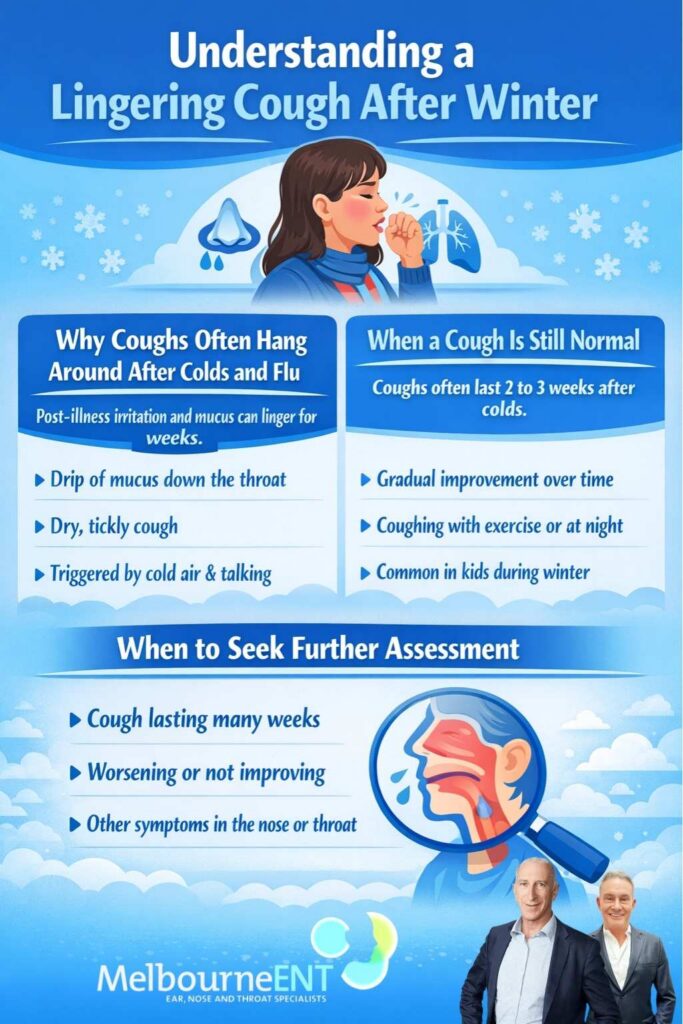
Winter respiratory infections inflame the entire breathing system. The nose becomes blocked or runny, the sinuses feel full or sore, the throat is irritated and the larger airways in the chest can become sensitive. Even when the fever and fatigue have gone, this inflammation often takes longer to settle.
The lining of the nose and sinuses may continue to produce excess mucus for several weeks. That mucus can drip down the back of the throat and repeatedly trigger the cough reflex. A sensitive throat and voice box can mean that talking for long periods, laughing, breathing in cold Melbourne air or walking past strong perfumes all set off a dry, tickly cough. Some people notice small amounts of phlegm that are hard to clear, while others feel as if the cough is there without much mucus at all.
Because of these changes it is quite common to feel that the cold has gone but the cough lingers, especially at night or first thing in the morning. Many people find that exercise, singing or long conversations bring the cough back even when they otherwise feel well. In the first few weeks after a winter illness this pattern often reflects the normal healing process rather than a serious disease.
✓ When a Cough Is Still Normal After an Infection
A lingering cough is not always a sign of trouble. Adults often notice that a cough continues for two or three weeks after a cold or flu. Children can take longer to settle, especially if they attend childcare or school and seem to pick up one virus after another in winter.
A cough that slowly improves from week to week, even if it is still noticeable, is usually less concerning. You might cough a little when you lie down or when you exercise but feel that the overall pattern is getting better. It is sensible to mention a persistent cough to your GP, particularly if you have asthma, chronic lung disease or heart problems, but in this early phase the cough is often a temporary result of airway irritation.
When a cough continues for many weeks without improvement, or seems to get worse rather than better, it moves away from what doctors usually regard as a normal post viral pattern. At that point further assessment is needed. This is also the stage when conditions involving the nose, sinuses and throat may play a more obvious role.
When a Persistent Cough Is Not Just Post Viral
✓ Time Frames That Deserve a Closer Look
Doctors often use simple time frames to describe cough. A cough lasting less than about three weeks from the start of symptoms is usually called acute. Between three and eight weeks it may be described as post infectious, especially if it clearly began with a cold or flu.
When a cough persists beyond roughly eight weeks in an adult it is generally considered a chronic cough. At that stage it deserves structured assessment to look for underlying causes in the lungs, heart, oesophagus and upper airway. In children, a cough that continues for four weeks or more is taken seriously, particularly if it is wet or productive or if the child seems unwell in other ways.
These cut offs are guides rather than rigid rules. If your cough worries you earlier than this, or if it interferes with sleep, work or school, it is appropriate to see your GP sooner. The key message is that a long running cough should be assessed properly rather than simply accepted as something you have to live with.
✓ Red Flag Symptoms That Need Urgent Medical Attention
Some cough related symptoms should prompt urgent medical review rather than a routine specialist appointment. These warning signs suggest that a more serious condition could be present.
If you notice blood in your phlegm, have unexplained weight loss, persistent fevers or drenching night sweats, you should see a doctor promptly. Sudden or severe shortness of breath, chest pain, difficulty speaking in full sentences or feeling faint with coughing are all reasons to seek immediate care through your GP, an urgent care clinic or a hospital emergency department.
A new persistent cough in a long term smoker, especially if combined with hoarseness or chest discomfort, should also be investigated promptly. These situations usually require focused tests such as chest imaging and sometimes referral to respiratory or oncology specialists before any ENT specific assessment is considered.
An ENT surgeon such as Dr Stephen Kleid or Dr Simon Braham may still become involved later if nose, throat, or voice problems are also present. However, serious red flag features should always be assessed first through your GP or an acute care service, not put aside while waiting for a routine ENT appointment.
How Your GP and ENT Specialist Work Together
✓ The GP’s Role in Assessing a Persistent Cough
Your GP is the best starting point for any persistent cough. During your consultation the GP will ask when the cough began, whether it started with a particular winter virus and how it has changed over time. They will explore associated symptoms such as breathlessness, chest pain, fevers, weight changes, nasal congestion, sinus pressure, throat discomfort, voice change and heartburn. For children they will ask about growth, feeding, activity and sleep.
The physical examination usually includes listening carefully to your chest, checking your heart and looking at your throat. The GP may inspect your nose and sinuses and feel your neck for enlarged glands. Your medication list will be reviewed, as some blood pressure medicines and other drugs are known to trigger chronic cough in some people. Smoking history and environmental exposures, such as dust, fumes and second hand smoke, are also important.
Depending on the findings your GP may arrange a chest X ray, lung function tests and blood tests. In many cases simple steps such as treating asthma, adjusting medication, supporting smoking cessation or managing reflux can significantly reduce cough symptoms. These early measures are vital because serious lower airway or cardiac causes need to be considered and treated before focusing on ENT specific problems.
✓ When Your GP May Suggest an ENT Opinion
An ENT referral is often suggested when the chest and heart appear reasonably well, initial tests are reassuring and the pattern of symptoms suggests a strong upper airway component. That might include an ongoing feeling of mucus dripping down the back of the throat, chronic nasal blockage, facial pressure or pain, or a cough that clearly starts when you talk, swallow or lie flat.
Persistent hoarseness, a change in the quality of the voice or ongoing throat discomfort can also prompt referral, especially in people who smoke or who have other risk factors for head and neck disease. In children, a mixture of mouth breathing, loud snoring, restless sleep and chronic cough may lead the GP to seek an ENT assessment of the tonsils and adenoids.
GPs across Melbourne and regional Victoria often refer patients to Melbourne ENT when a post winter cough does not respond to initial management or when nose, sinus and throat symptoms are prominent. In these situations Dr Stephen Kleid and Dr Simon Braham can examine areas that are hard to see in a standard consultation, such as the back of the nose, the sinus openings and the movement of the vocal cords.
Common Ear, Nose and Throat Causes of Persistent Cough
✓ Chronic Sinusitis and Nasal Obstruction
Chronic sinusitis involves long term inflammation of the sinus linings and is often associated with nasal blockage, facial pressure, reduced sense of smell and thick mucus. When the sinuses remain inflamed after winter infections, mucus can trickle down the back of the throat for months and keep the cough reflex active.
Nasal obstruction can be caused by chronic sinusitis, a deviated nasal septum, enlarged turbinates or nasal polyps. When the nose is blocked people tend to breathe through their mouth, particularly at night. Mouth breathing dries the throat and can make it more sensitive. This dryness, combined with mucus from the sinuses, can lead to a dry, irritated cough that seems to come from the throat rather than the chest.
At Melbourne ENT, Dr Stephen Kleid and Dr Simon Braham have extensive experience managing chronic sinusitis and nasal obstruction. Using history, nasal endoscopy and imaging where needed, they can identify whether these conditions are likely to be contributing to your persistent cough and design a treatment plan that may include both medical and surgical options.
✓ Throat Irritation, Reflux and Laryngeal Sensitivity
In some people the main driver of chronic cough is irritation of the throat and voice box rather than infection or mucus. One common contributor is reflux. Stomach contents can move upwards into the oesophagus and sometimes reach the larynx. When that happens repeatedly it can inflame the delicate tissues of the voice box, even in people who never feel classic heartburn or indigestion.
Patients with reflux related throat symptoms often describe a tickly cough that is worse at night or after meals, a feeling of a lump in the throat, mild hoarseness and a need to clear the throat frequently. The cough may be largely dry, which can make it feel particularly stubborn and intrusive.
Laryngeal sensitivity is another important concept. In this situation the nerves that trigger the cough reflex become over reactive. Everyday stimuli such as cold air, perfume, talking, laughing or light exercise can trigger coughing fits. An ENT examination, including nasendoscopy, allows the surgeon to assess the appearance and movement of the vocal cords and to look for signs of reflux or other causes of irritation.
✓ Tonsils, Adenoids and Snoring in Children
In children, enlarged tonsils and adenoids can narrow the upper airway and contribute to chronic cough, particularly when combined with recurrent infections. Enlarged adenoids can block the back of the nose, leading to ongoing nasal congestion, mouth breathing and a dry, irritated throat. Enlarged tonsils can reduce the space at the back of the throat, especially during sleep.
Parents may notice loud snoring, pauses in breathing, restless sleep, night sweats and daytime tiredness or behaviour changes. Chronic cough at night or in the early morning is common. Some children also have frequent sore throats or recurrent tonsillitis.
Dr Simon Braham sees many children with these patterns of snoring, sleep disturbance and chronic cough. Careful assessment helps distinguish simple recurrent viral infections from structural problems involving the tonsils and adenoids and allows families to consider medical treatment, watchful waiting or surgery based on the child’s specific situation.
✓ Less Common but Serious ENT Causes
Most persistent coughs are related to benign conditions, but ENT surgeons are trained to recognise less common yet serious causes involving the larynx, pharynx and nearby structures. These include vocal cord nodules and polyps, vocal cord paralysis and cancers of the larynx or throat.
Warning signs include hoarseness or voice change lasting more than a few weeks, pain when speaking or swallowing, difficulty swallowing solids, a persistent neck lump and unexplained ear pain on one side. These symptoms are especially important in people who smoke, drink alcohol heavily or have a strong family history of head and neck cancer.
Dr Stephen Kleid has extensive experience in head and neck cancer surgery through his senior roles at the Royal Melbourne Hospital, the Peter MacCallum Cancer Centre His background in these tertiary centres supports the early recognition and appropriate management of serious conditions. It is important to remember that most people with a chronic cough do not have cancer, but careful assessment provides peace of mind and ensures that serious problems are not missed.

Download Reflux Brochure
What Happens at an ENT Appointment for Persistent Cough
✓ Taking a Detailed History
An ENT consultation for persistent cough usually begins with a thorough discussion about your symptoms. You will be asked when the cough started, whether it followed a particular winter illness and how it has behaved over time. The surgeon will explore whether the cough is dry or productive, whether it is worse at night, during the day or with specific triggers, and how it affects your daily life.
You will be asked about nasal congestion, runny nose, facial pain or pressure, post nasal drip, throat discomfort and any change in your voice. For children, questions often focus on snoring, mouth breathing, sleep quality, school performance and frequency of infections. Any previous test results from your GP, such as chest X rays or lung function tests, will be reviewed, along with your general medical history and current medications.
✓ Examining the Nose, Sinuses, Throat and Voice Box
After taking your history, the ENT surgeon will examine your ears, nose, throat and neck. The visible parts of the nose and throat will be inspected with a light. The neck will be gently felt for enlarged lymph nodes or other lumps. The ears will be checked for signs of fluid or infection, particularly in children who may have middle ear problems along with their cough.
A key part of the examination often involves nasendoscopy. This procedure uses a fine, flexible camera that is passed carefully through the nostril to allow the surgeon to see the nasal passages, sinus openings, back of the nose, adenoids and voice box. A local anaesthetic spray is used to make the procedure more comfortable. At Melbourne ENT, nasendoscopy is commonly performed in the consulting rooms, allowing Dr Stephen Kleid or Dr Simon Braham to assess areas that are impossible to see with a simple torch.
Watching how the vocal cords move, assessing the lining of the larynx and observing how mucus collects can provide important clues about the cause of your cough. For example, thick mucus at the back of the nose may suggest significant post nasal drip, while swollen or inflamed vocal cords may suggest reflux or voice strain.
✓ Additional Tests That May Be Suggested
Further tests may be recommended depending on what is found during your examination. A CT scan of the sinuses can provide a detailed view of the sinus cavities and is useful when chronic sinusitis or structural problems are suspected. Allergy testing may be arranged to look for hay fever or other allergic triggers that inflame the nose and sinuses.
If there are symptoms of snoring, witnessed pauses in breathing or marked daytime sleepiness, a sleep study may be advised to assess for obstructive sleep apnoea. Melbourne ENT often works together with respiratory physicians, sleep specialists, gastroenterologists and speech pathologists. This collaborative approach is particularly valuable when a cough is long standing, multifactorial or significantly affecting quality of life.
Treatment Options for ENT Related Persistent Cough
✓ Medical Treatments for Nose and Sinus Causes
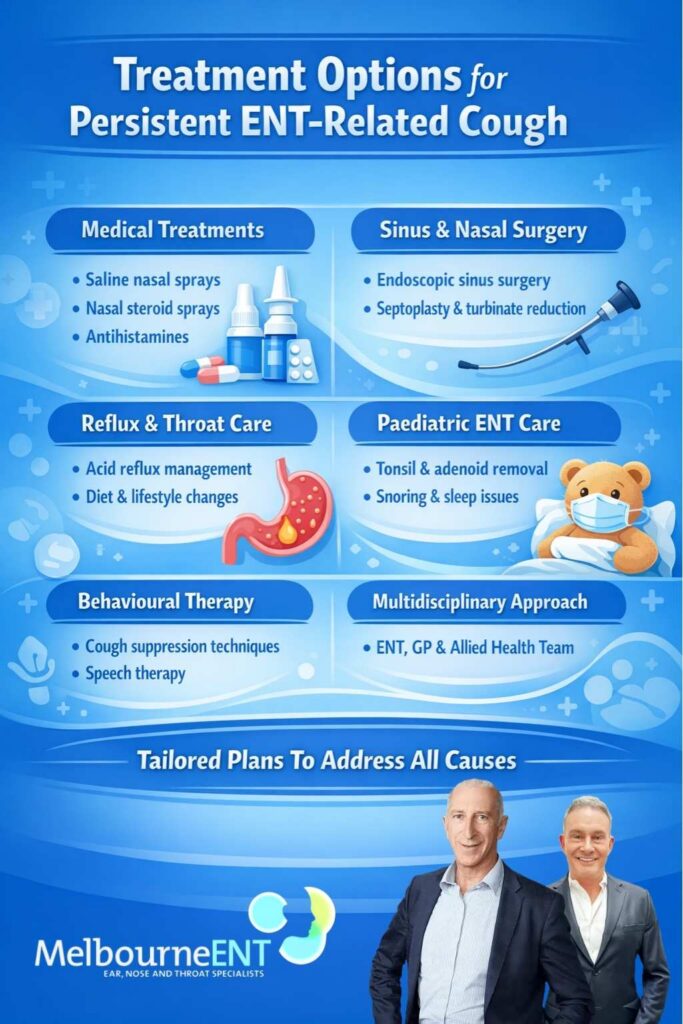
For many people, the first line of treatment for an ENT related cough is medical rather than surgical. Saline nasal sprays or irrigations can help thin and clear mucus from the nose and sinuses, which reduces post nasal drip and throat irritation. Nasal corticosteroid sprays are commonly used to decrease inflammation in allergic rhinitis and chronic rhinosinusitis. Antihistamines may be used when allergies are prominent, although some types can dry the mucus and are chosen carefully.
Treating associated conditions such as asthma, reflux or environmental exposures at the same time is also important. Your GP and ENT specialist will usually coordinate a plan that addresses all relevant factors. Many patients notice that their cough gradually improves once nasal and sinus inflammation is controlled and mucus is better managed.
✓ Treating Chronic Sinusitis and Nasal Obstruction
When chronic sinusitis or structural nasal blockage plays a major role in cough, more specific treatment may be needed. This usually begins with optimised medical therapy. If symptoms continue despite good medical management, surgery might be discussed.
Endoscopic sinus surgery is performed through the nostrils using a camera and fine instruments to open narrowed sinus passages, remove polyps and improve drainage. Septoplasty straightens a deviated nasal septum to improve airflow, and turbinate reduction can reduce the size of swollen turbinates that block the nasal airway. At Melbourne ENT, Dr Stephen Kleid and Dr Simon Braham focus on surgery that improves nasal function, breathing and sinus health while preserving a natural appearance.
Many sinus and nasal operations performed for medical reasons attract Medicare item numbers in Australia. When procedures are undertaken to treat problems such as chronic infection, significant nasal obstruction or sleep disordered breathing, Medicare rebates can contribute to the cost of medical care. The exact rebate and any out of pocket expenses depend on factors such as your personal circumstances, the specific procedures and whether you hold private health insurance that covers hospital and theatre fees. The Melbourne ENT administrative team can provide item numbers and quotes to take to Medicare and your health fund so that you can clarify entitlements directly with them before proceeding.
✓ Managing Reflux and Throat Irritation
If reflux and throat irritation are contributing to your cough, treatment usually involves a combination of lifestyle changes and medication. Practical steps might include avoiding large meals close to bedtime, raising the head of the bed, maintaining a healthy weight where appropriate and limiting foods or drinks that worsen symptoms. Alcohol and caffeine can be triggers for some people.
Medications that reduce acid production or protect the oesophagus and larynx may be prescribed by your GP or gastroenterologist. The goal is not only to relieve heartburn but also to reduce irritation of the voice box. Follow up with your ENT surgeon allows monitoring of changes in the larynx and adjustment of treatment over time.
Speech pathologists can also assist by teaching gentle voice use, reducing throat clearing and introducing breathing strategies that protect the vocal cords. This can be particularly helpful for people with a very sensitive cough reflex.
✓ Paediatric ENT Procedures and Care
When enlarged tonsils and adenoids cause significant breathing problems, snoring, sleep disturbance and chronic cough, surgery may be recommended. Adenoidectomy removes blocking tissue at the back of the nose and can improve nasal airflow and reduce mouth breathing. Tonsillectomy removes the tonsils and may be advised for recurrent tonsillitis or marked airway obstruction.
At Melbourne ENT, many paediatric procedures are performed at Masada Private Hospital in St Kilda East and at other accredited hospitals, including the Royal Victorian Eye and Ear Hospital. These centres provide child appropriate facilities, experienced anaesthetic teams and careful post operative care. Parents receive clear information about preparing their child for surgery, pain relief, diet and activity during recovery.
The decision to proceed with surgery in a child is based on a careful weighing of symptoms, potential benefits and possible risks. Frequency and severity of infections, impact on sleep and behaviour, school attendance and overall health are all considered. Families are encouraged to ask questions and to seek a second opinion if they would like further reassurance.
✓ Behavioural and Allied Health Approaches
Chronic cough is often influenced by behavioural patterns and by how sensitive the nervous system has become after repeated irritation. ENT management may include referral to speech pathologists who specialise in chronic cough and voice care.
Cough suppression therapy focuses on recognising early urges to cough and using alternative responses such as controlled breathing, swallowing or gentle humming instead of immediate coughing. Over time this can reduce the sensitivity of the cough reflex. Education about laryngeal hygiene, including hydration and voice care, is also part of treatment.
In some cases psychological support can be helpful, especially if a long standing cough has led to embarrassment, social withdrawal, anxiety or difficulty at work or school. A team that includes the GP, ENT surgeon, respiratory physician, speech pathologist and other specialists where needed offers the best chance of improving complex chronic cough.
Living With a Persistent Cough – Practical Tips While You Seek Help
✓ Self Care Steps That May Ease Symptoms
While waiting for appointments and investigations you can take some simple steps to support your comfort. Avoiding cigarette smoke and vaping is one of the most important measures for both adults and children. Staying well hydrated can help thin mucus and may make coughing less harsh. Warm drinks are often soothing, and some people find that using a humidifier at home eases irritation, particularly during winter heating.
If you have nasal and sinus symptoms, saline sprays or rinses may help, but it is best to use them as advised by your GP or ENT specialist. Looking after your voice is also useful. Try to avoid shouting, prolonged loud talking or whispering, and give yourself short voice breaks during the day if you use your voice heavily at work.
These strategies do not replace medical care, but they may reduce discomfort and sometimes reveal useful patterns to discuss with your doctor, such as particular triggers or times of day when the cough is worst.
✓ When to Go Back to Your GP or Specialist
Because chronic cough often fluctuates, it can be hard to decide when to seek further review. If your cough is getting worse, if new symptoms appear or if it is seriously affecting your sleep, work, schooling or social life, it is reasonable to return to your GP or contact your specialist.
If you have been following a treatment plan for nasal, sinus, reflux or throat issues and notice no improvement after an appropriate trial, you should discuss this with your doctor. Sometimes further investigations or a change in treatment are needed. If you are under the care of Melbourne ENT, follow up visits are usually recommended so that your progress can be monitored and your management can be adjusted as necessary.
Remember that sudden or severe symptoms, such as coughing up blood, marked breathlessness or chest pain, always require urgent medical review through your GP, an urgent care clinic or an emergency department.

FAQs About Persistent Cough After Winter and ENT Care
Can a persistent cough after a winter virus be caused mainly by my nose and sinuses even if my chest X ray and lung tests are normal?
Yes. Many long lasting coughs come from the upper airway rather than the lungs. Ongoing nasal inflammation, chronic sinusitis and post nasal drip can all irritate the back of the throat and keep the cough reflex active even when your chest X ray and lung function tests are normal. An ENT assessment looks specifically at the nose and sinuses to see whether these structures are playing a significant role.
Why does my cough only seem to start once I begin talking, presenting at work or reading bedtime stories, even though I am fine when I am quiet?
This pattern is common in people with laryngeal sensitivity. When the voice box has been irritated by infection, reflux or post nasal drip, the nerves that trigger coughing can become over responsive. Using your voice for longer periods or at a higher volume can then set off a cough even if you were comfortable while resting. ENT examination and, in some cases, speech pathology can help confirm this and offer strategies to reduce it.
Is it possible that reflux is driving my cough even if I never feel classic heartburn or indigestion and only notice throat symptoms?
Yes. Reflux that reaches the throat and voice box, often called laryngopharyngeal reflux, may cause little or no heartburn. Instead, it can present as a chronic tickly cough, a lump sensation in the throat, frequent throat clearing or mild hoarseness. An ENT surgeon can look for signs of reflux related inflammation around the vocal cords and work with your GP or gastroenterologist on treatment.
My cough is worse at night when I lie down and first thing in the morning and I am not sure whether this is post nasal drip, sinusitis or something else. How can an ENT specialist tell the difference?
During your consultation, the ENT surgeon will take a detailed history and perform nasendoscopy to look directly at the back of your nose, sinus openings and throat. The pattern of mucus, the appearance of the nasal lining and sinuses, and any changes around the voice box help distinguish between simple post nasal drip, chronic sinusitis, reflux related irritation and other causes. In some cases imaging such as a sinus CT scan adds further detail.
If my child snores, mouth breathes and coughs most nights through winter, how can I tell whether they simply have frequent viral infections or if their tonsils and adenoids might be part of the problem?
Frequent viral infections are common in young children, but if your child consistently snores, mouth breathes, has restless sleep and often wakes unrefreshed, enlarged tonsils and adenoids may be contributing. An ENT examination allows the surgeon to assess the size of the tonsils, look at the adenoids using a small camera if needed, and review the overall pattern of symptoms. This helps clarify whether watchful waiting, medical treatment or surgery is the best option.
Could a long standing habit of clearing my throat after a winter infection actually be keeping my cough going, and can ENT or speech therapy help retrain this pattern?
Yes. Frequent throat clearing can become a learned response after an infection and may continue long after the original irritation has settled. Each bout of throat clearing can further irritate the vocal cords and reinforce the urge to cough. ENT assessment can rule out serious underlying problems, and speech pathology based cough suppression therapy can then teach alternative behaviours and breathing techniques to break this cycle.
If my GP has already tried inhalers, reflux medication and allergy treatment without success, what extra information can an ENT assessment and nasendoscopy add to the picture of my persistent cough?
An ENT assessment adds a detailed view of the structures that sit between the nose and the lungs. Nasendoscopy allows the surgeon to see the nasal passages, sinus drainage pathways, back of the nose, adenoids and vocal cords in real time. This can reveal issues such as subtle post nasal drip, chronic sinus disease, structural nasal obstruction, laryngeal irritation or vocal cord problems that are not obvious on standard chest tests. Bringing this information together with your GP’s work up often leads to a clearer and more complete understanding of your cough.
Medical References
- Otolaryngology Aspects of Chronic Cough – PubMed / NIH – https://pubmed.ncbi.nlm.nih.gov/31078514/
- Are Otolaryngologists Seeing More Cough? Longitudinal Trends and Patterns – PMC / NIH – https://pmc.ncbi.nlm.nih.gov/articles/PMC11773429/
- Consensus goals and standards for specialist cough clinics – PMC / NIH – https://pmc.ncbi.nlm.nih.gov/articles/PMC10658629/
- Recommendations for the management of cough in adults – PMC / NIH – https://pmc.ncbi.nlm.nih.gov/articles/PMC2080754/
- Cough after covid/mild pneumonia – Mayo Clinic Connect / Mayo Clinic – https://connect.mayoclinic.org/discussion/cough-after-covidmild-pneumonia/
- Chronic cough & sinusitis – Mayo Clinic Connect / Mayo Clinic – https://connect.mayoclinic.org/discussion/chronic-cough-sinusitis/
- Chronic cough: What helped you? – Mayo Clinic Connect / Mayo Clinic – https://connect.mayoclinic.org/discussion/chronic-cough-3/
How Melbourne ENT Can Help With a Persistent Cough
✓ A Specialist ENT Team in Melbourne
Melbourne ENT is a specialist Ear, Nose and Throat practice based within Masada Medical Centre in St Kilda East, Victoria. The practice is led by ENT and Head & Neck Surgeon Dr Stephen Kleid and ENT Surgeon Dr Simon Braham, both Fellows of the Royal Australasian College of Surgeons. Between them they have decades of experience in managing nasal, sinus, throat and head and neck conditions.
Dr Kleid has held senior positions at major Melbourne hospitals including the Royal Melbourne Hospital, the Peter MacCallum Cancer Centre and the Royal Victorian Eye and Ear Hospital. He has particular expertise in nasal and sinus surgery, head and neck cancer and sleep related airway problems. Dr Braham works in both private and public settings and has a strong focus on paediatric ENT, nasal and sinus surgery, snoring and sleep apnoea.
Adults and children with persistent cough related to upper airway conditions may be seen at Melbourne ENT, where the surgeons draw on their clinical experience, teaching and research background to provide careful assessment and clear explanations.
✓ Working Closely With Your GP and Other Specialists
Chronic cough almost always benefits from a team approach. At Melbourne ENT there is a strong emphasis on working closely with GPs, respiratory physicians, allergists, gastroenterologists, sleep specialists and speech pathologists. Information is shared thoughtfully so that everyone involved in your care understands the diagnosis and management plan.
A referral from a GP or another specialist is usually required to see Dr Stephen Kleid or Dr Simon Braham, and this also helps patients access Medicare rebates where applicable. The team is committed to evidence based care and to open discussion of the potential benefits and risks of all treatment options, including surgery. Patients are encouraged to ask questions, to bring a family member or support person to appointments and to take time to consider their options.
Next Steps if You Have a Persistent Cough After Winter
If you are living with a cough that has lingered well beyond a winter cold, it is understandable to feel frustrated or anxious. The most important step is to arrange a review with your GP so that common causes involving the lungs, heart and medications can be assessed and treated. If your GP feels that your nose, sinuses, throat or voice box may be contributing to the problem they can discuss whether a referral to an ENT specialist is appropriate.
At Melbourne ENT, Dr Stephen Kleid and Dr Simon Braham provide comprehensive ENT assessment for adults and children with persistent cough and related upper airway symptoms. They can help identify whether chronic sinusitis, nasal obstruction, post nasal drip, reflux or laryngeal sensitivity are part of the picture and can work with you and your GP to plan suitable treatment.
This article offers general information only and should not replace advice from your own doctor. If you are concerned about a persistent cough, particularly if you notice any red flag symptoms, please see your GP as soon as possible. Patients, families and referring doctors who would like more information about ENT services for persistent cough and related conditions are welcome to visit related pages on the website for further details and contact information.
Further Reading
- Read more about Throat Concerns and Conditions
- Read more about Voice and Larynx Disorders
- Read more about Understanding Nasal Congestion
- Read Melbourne ENT’s Blog on Silent Reflux Gets Worse In Summer – Here Is Why
- Read Melbourne ENT’s Blog on Summer Allergies vs Colds: How to Tell the Difference (and When to See an ENT in Melbourne)
- Read Melbourne ENT’s Blog on How Summer Socialising Damages Your Voice Without You Realising
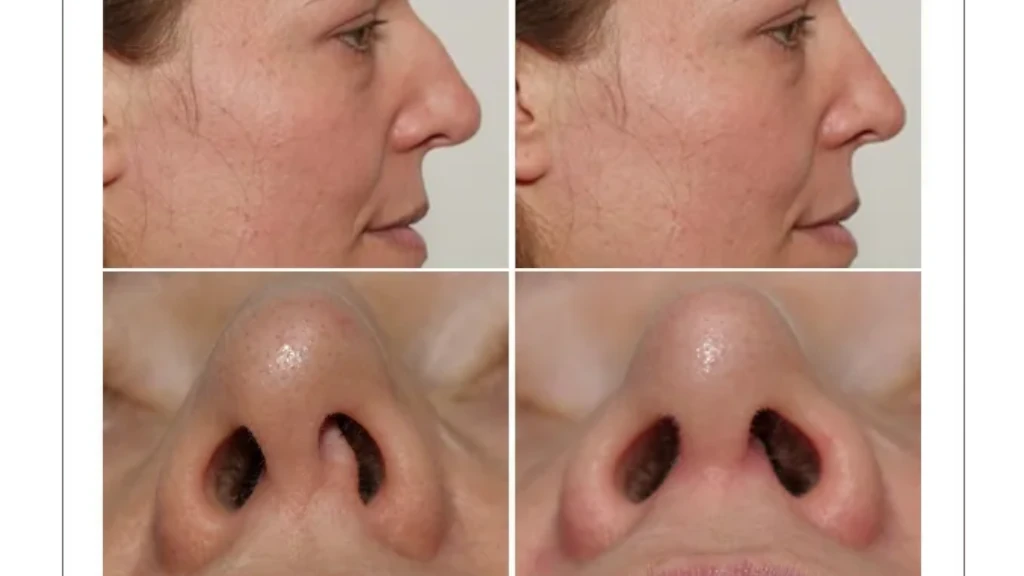
How Deviated Septum Symptoms Vary Between Adults and Teenagers
A deviated septum can affect both adults and teenagers, but the symptoms are not always…
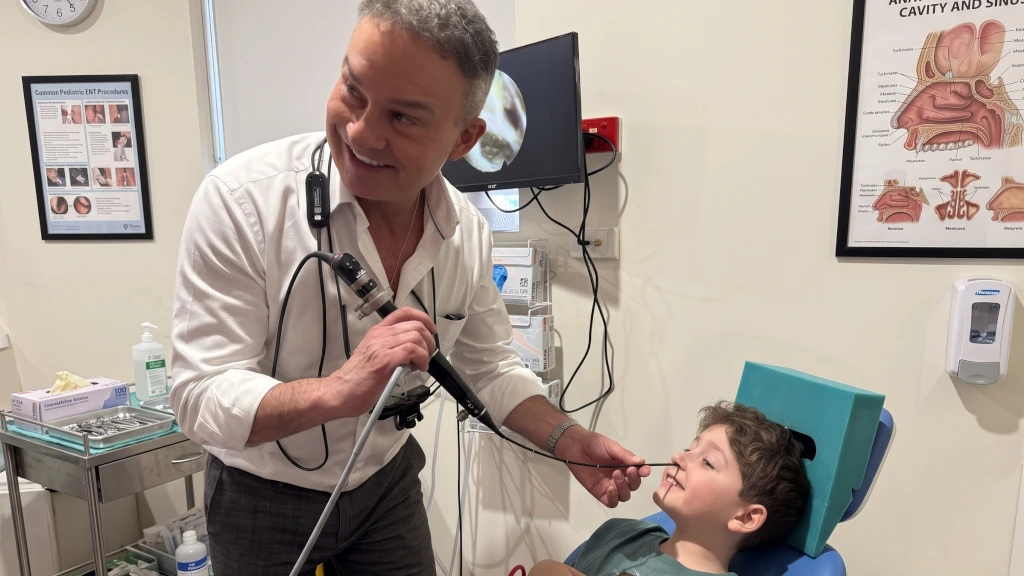
How to Prepare Your Child for a Fibre Optic Endoscopy – Top Tips for Parents
If you’ve been told your child may need fibre optic endoscopy for children, it is…

Endoscopic Airway Assessment for Snoring: What ENT Surgeons Look For
Snoring is often spoken about casually, but for many people, it becomes a persistent concern…